
System Overview
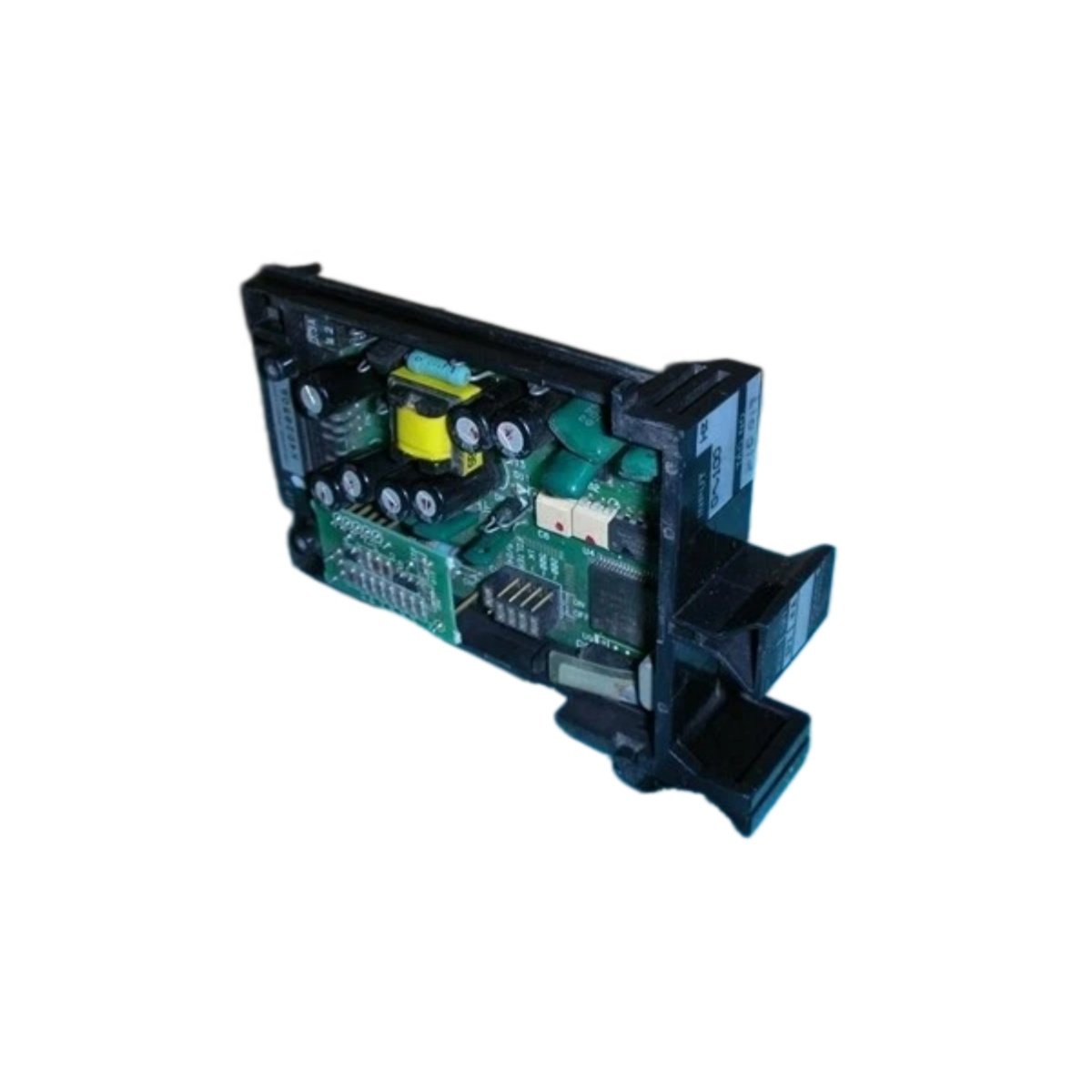
The EP3*A functions as a digital control system module for Yokogawa CENTUM VP and CS 3000 platforms. This processor module executes complex regulatory control strategies with high-speed calculation capabilities. Process facilities rely on this controller for stable and responsive loop control in demanding applications. The EP3*A integrates seamlessly with I/O modules and fieldbus couplers for complete system solutions.
Key Specifications
| Parameter | Specification |
|---|---|
| Model | EP3*A |
| Processor Type | 32-bit RISC CPU |
| Control Cycle | 50 ms to 10 s (user selectable) |
| Control Blocks | Up to 512 function blocks |
| Program Capacity | 2 MB (user program memory) |
| Data Memory | 4 MB (system and user data) |
| Non-volatile Memory | 512 KB (FRAM for retentive data) |
| Communication Ports | 2 x ESB bus, 1 x Vnet/IP, 1 x RS-232 |
| Power Supply | 24 V DC nominal (20–30 V DC range) |
| Current Consumption | 250 mA (typical) |
| Isolation | 500 V AC (communication to logic) |
| Operating Temperature | 0°C to +50°C |
| Storage Temperature | -20°C to +70°C |
| Humidity Range | 10% to 90% RH (non-condensing) |
| Dimensions | 130 mm × 55 mm × 120 mm |
| Weight | 0.48 kg |
| Mounting Type | DIN rail |
| Battery Backup | Lithium battery (memory retention) |
| Battery Life | 5 years (typical) |
| Diagnostic Features | Built-in self-test, watchdog timer |
Processing Power and Control Capabilities
The EP3*A houses a 32-bit RISC CPU that handles complex control algorithms with ease. This module executes regulatory loops at cycle times from 50 ms to 10 seconds. Users can select the appropriate control cycle based on process dynamics and response requirements. The processor supports up to 512 function blocks for advanced control strategies. Moreover, the EP3*A accommodates 2 MB of user program memory for extensive application code. The module also provides 4 MB of combined system and user data memory.
Non-volatile Memory and Data Retention
The EP3*A includes 512 KB of FRAM for storing critical process parameters and configuration data. This non-volatile memory retains data without power, ensuring safe recovery after system restarts. Additionally, the module features a lithium battery backup that preserves memory during power outages. The battery typically lasts for 5 years under normal operating conditions. Consequently, plant operators do not need to reload configuration files frequently.
Communication Interfaces and Connectivity
The EP3*A provides two ESB bus ports for connecting remote I/O nodes and expansion modules. A dedicated Vnet/IP port enables high-speed communication between multiple controllers and operator stations. The module also includes an RS-232 port for local configuration and troubleshooting tasks. These redundant communication pathways ensure reliable data exchange throughout the control system. Furthermore, the EP3*A supports hot-standby redundancy for mission-critical control applications.
Power Requirements and Energy Characteristics
This digital control system module draws 250 mA from a 24 V DC nominal power supply. The EP3*A accepts a wide input range of 20 to 30 V DC for reliable operation. The module incorporates 500 V AC isolation between communication interfaces and internal logic. This isolation protects the processor from electrical noise and ground loops. Low power consumption reduces heat generation and enhances long-term reliability.
Mechanical Design and Installation
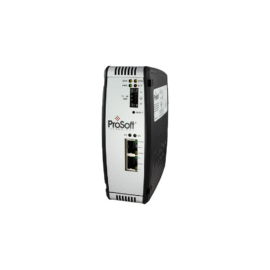
The EP3*A arrives in a compact DIN-rail mountable housing measuring 130 mm × 55 mm × 120 mm. Its weight of 0.48 kg makes it easy to handle and install within control cabinets. The module operates reliably in ambient temperatures ranging from 0°C to 50°C. Storage conditions from -20°C to 70°C do not compromise the device’s performance. With humidity tolerance from 10% to 90% RH, the module suits most industrial environments.
Diagnostic and Self-monitoring Features
The EP3*A includes a comprehensive self-test routine that runs automatically at startup. A built-in watchdog timer monitors CPU health and resets the module if it detects faults. Front-panel LEDs provide clear visual status for power, communication, and error conditions. The module logs diagnostic events for later retrieval and analysis. Maintenance personnel can access these logs to troubleshoot system issues effectively.
Application Areas
The EP3*A serves a wide range of process industries, including chemical, petrochemical, and power generation. This controller excels in applications requiring regulatory, sequential, and batch control. Its high processing power supports complex multivariable control and optimization strategies. The module also integrates with ProSafe-RS for safety instrumented functions. Consequently, the EP3*A provides a unified platform for both control and safety requirements.
Operational Guidance
Mount the EP3*A securely on a DIN rail within the system cabinet. Connect the ESB bus cables to the appropriate ports for I/O communication. Wire the Vnet/IP port to the plant network for system-wide data sharing. Configure control parameters and logic using the CENTUM VP engineering software. Verify proper operation through LED status indicators and system diagnostics. Replace the lithium battery every 5 years to maintain memory retention.
Details
| Weight | 0.48 kg |
|---|---|
| Dimensions | 130 × 55 × 120 mm |
Reviews
There are no reviews yet.