
High-Density RTD Signal Conditioning and Processing
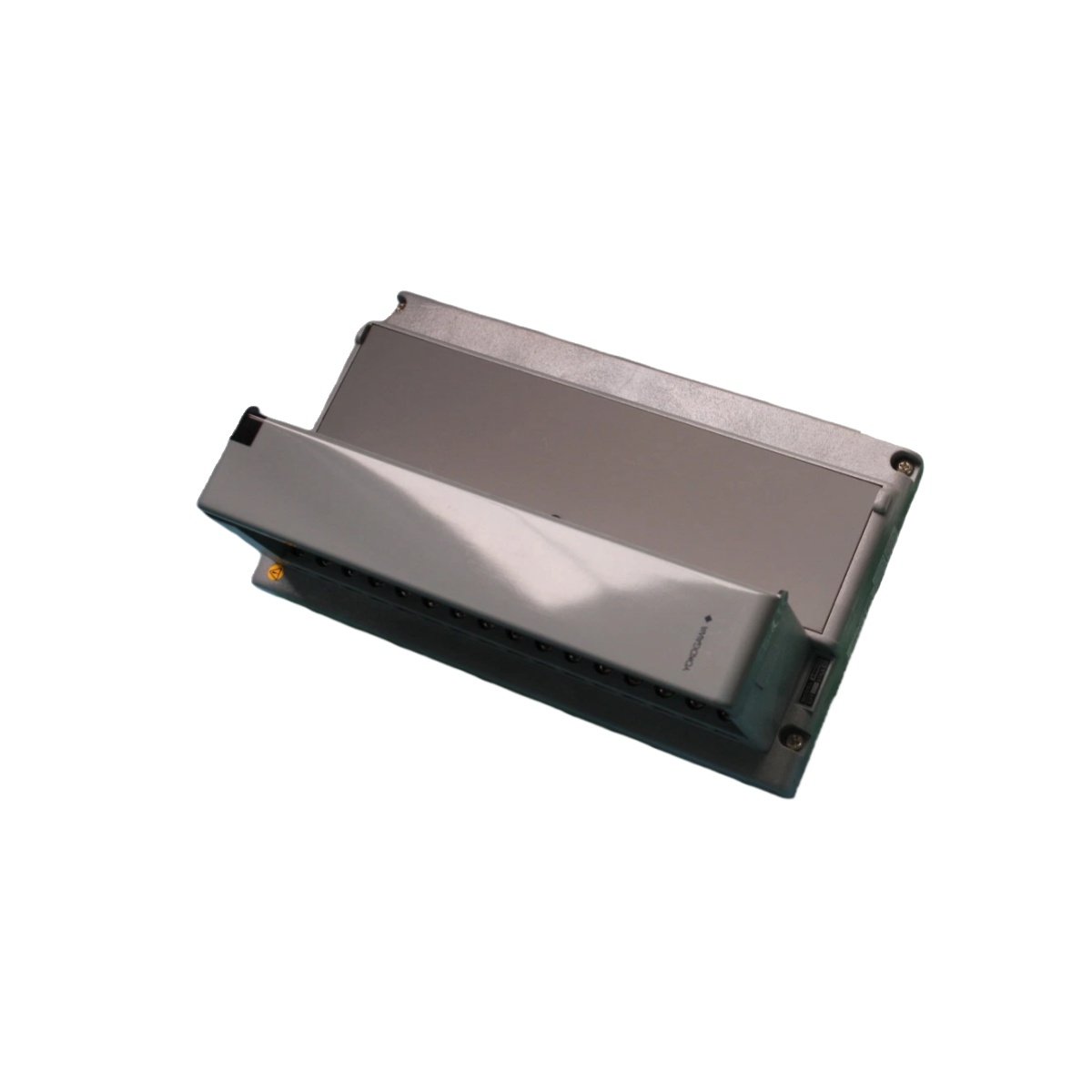
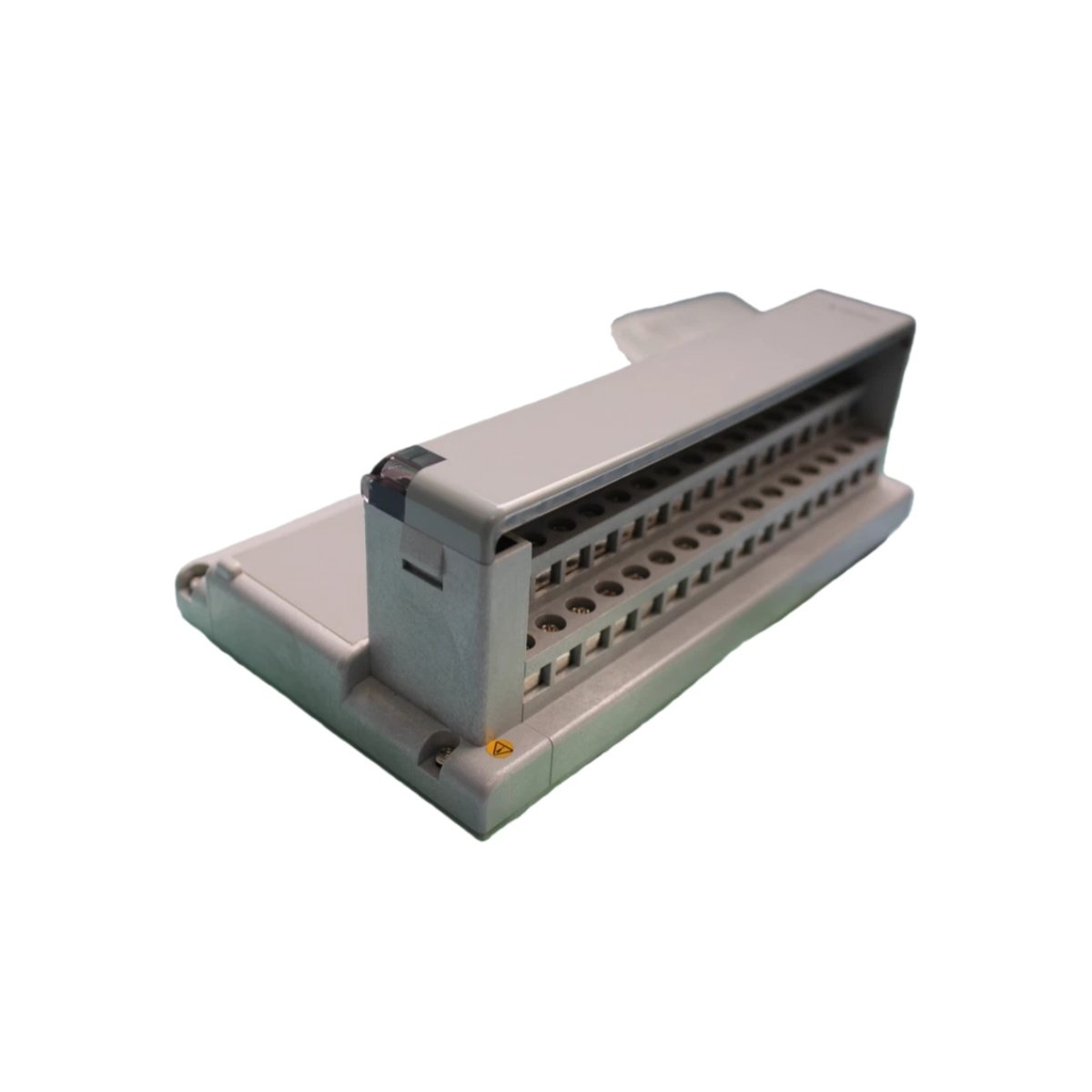
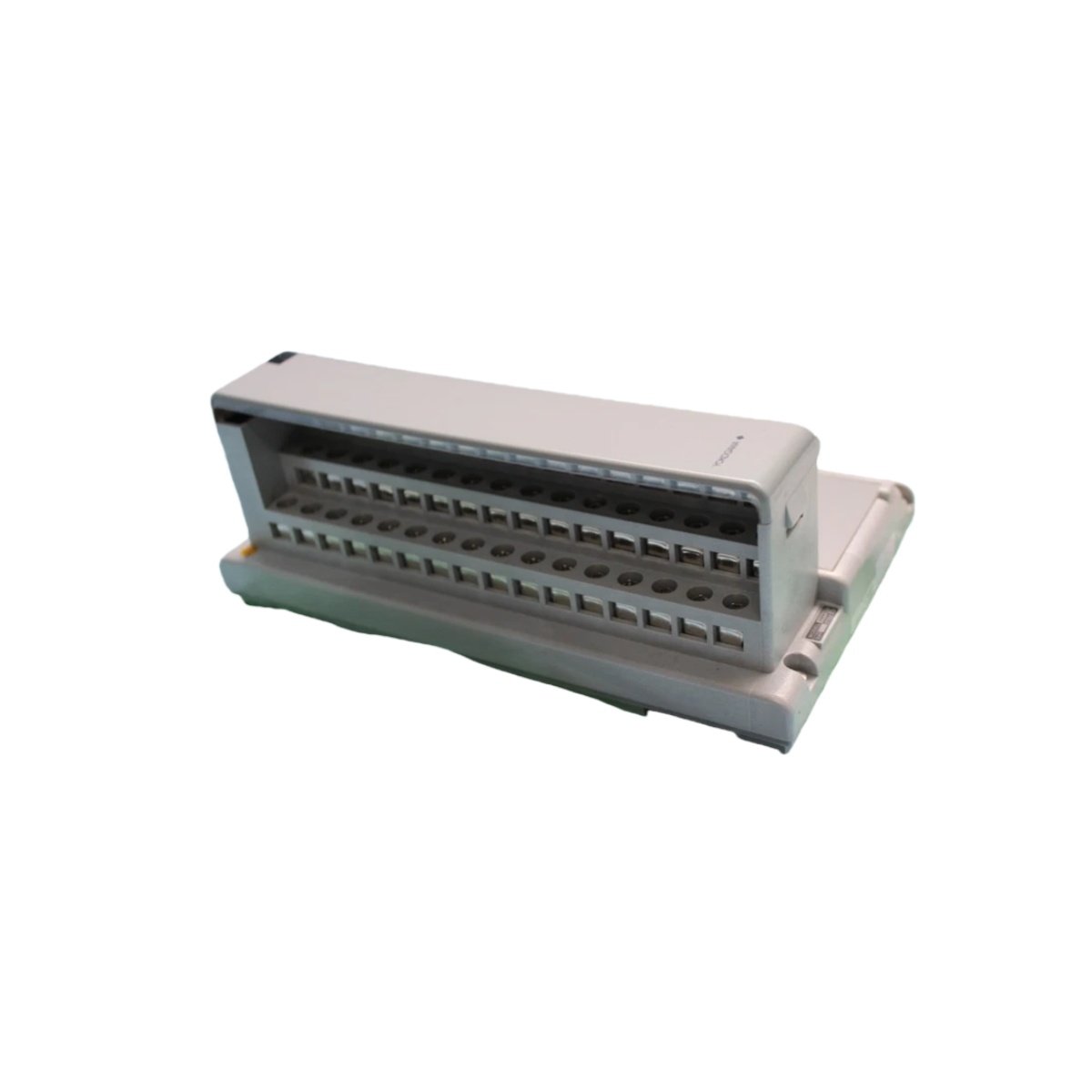
This multiplexer module provides comprehensive RTD input handling for distributed control systems. It supports PT100 and Ni100 sensors with three-wire or four-wire connection schemes. The Yokogawa AMM32TJ offers sixteen differential input channels for dense temperature measurement applications. Each channel employs a constant-current excitation source for stable resistance-to-voltage conversion. The module delivers a typical measurement accuracy of ±0.1 °C over the full temperature span. It incorporates automatic lead-wire compensation to eliminate cable resistance errors.
Mechanical Design and Physical Characteristics
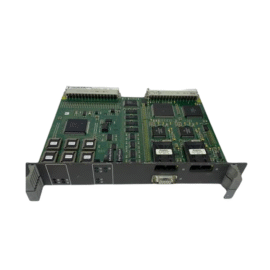
The unit stands 120 mm tall, 60 mm wide, and extends 130 mm in depth. It weighs approximately 0.55 kg with all terminal blocks securely attached. The AMM32TJ fastens directly onto a standard 35 mm DIN rail within an enclosure. Its aluminum casing provides excellent shielding against radiated electromagnetic noise. This sturdy construction ensures dependable performance in industrial environments with moderate vibration.
Connectivity Options and Electrical Specifications
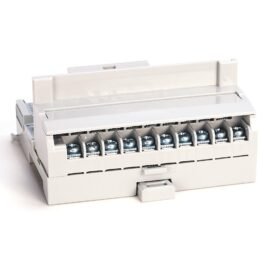
A 50-pin front connector facilitates all field wiring terminations for the input channels. The Yokogawa AMM32TJ draws its operating power from the 5 V DC backplane supply. It exchanges data with the host controller through a high-speed SPI communication link. A rotary address switch allows straightforward station identification in multi-module setups. Front-panel LEDs indicate module power status and individual channel activity. These indicators greatly simplify system diagnostics and routine maintenance tasks.
Internal Circuitry and Energy Storage Elements
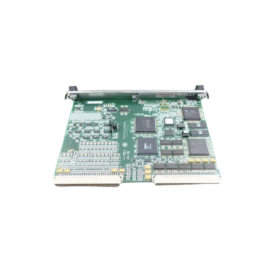
The printed circuit board contains sixteen independent signal-conditioning paths with precision components. Each path features a dedicated 16-bit ADC for digitizing the RTD measurements. The AMM32TJ retains all calibration data in non-volatile EEPROM for long-term stability. A 470 µF electrolytic capacitor serves as local energy storage for transient suppression. The design also includes opto-isolators separating the field side from the logic circuitry. This isolation effectively protects the main controller from electrical noise and ground potential differences.
| Parameter | Specification |
|---|---|
| Model | AMM32TJ |
| Type | RTD Input Multiplexer |
| Input Channels | 16 differential |
| Supported Sensors | PT100, Ni100 |
| Wiring Type | 3-wire or 4-wire |
| Excitation Current | 1 mA per channel |
| Resolution | 16 bits |
| Accuracy | ±0.1 °C (typical) |
| Supply Voltage | 5 V DC (backplane) |
| Dimensions (H×W×D) | 120 × 60 × 130 mm |
| Weight | 0.55 kg |
| Operating Temperature | –10 to +55 °C |
| Storage Temperature | –25 to +75 °C |
| Isolation Voltage | 1500 V AC for 1 minute |
| Communication Interface | SPI backplane bus |
| Energy Storage | 470 µF capacitor |
| Address Setting | Rotary switch |
Recommended Installation Practices
Position the Yokogawa AMM32TJ away from high-power switching devices and motor drives. Use individually shielded twisted-pair cables for every RTD field connection. Terminate each cable shield exclusively at the module end for optimal noise rejection. Execute a two-point calibration procedure after completing the physical installation. Verify all channel readings against a known reference standard before system startup. Conduct periodic visual checks to ensure connector integrity and component cleanliness.
Details
| Weight | 0.55 kg |
|---|---|
| Dimensions | 120 × 60 × 130 mm |
Reviews
There are no reviews yet.