
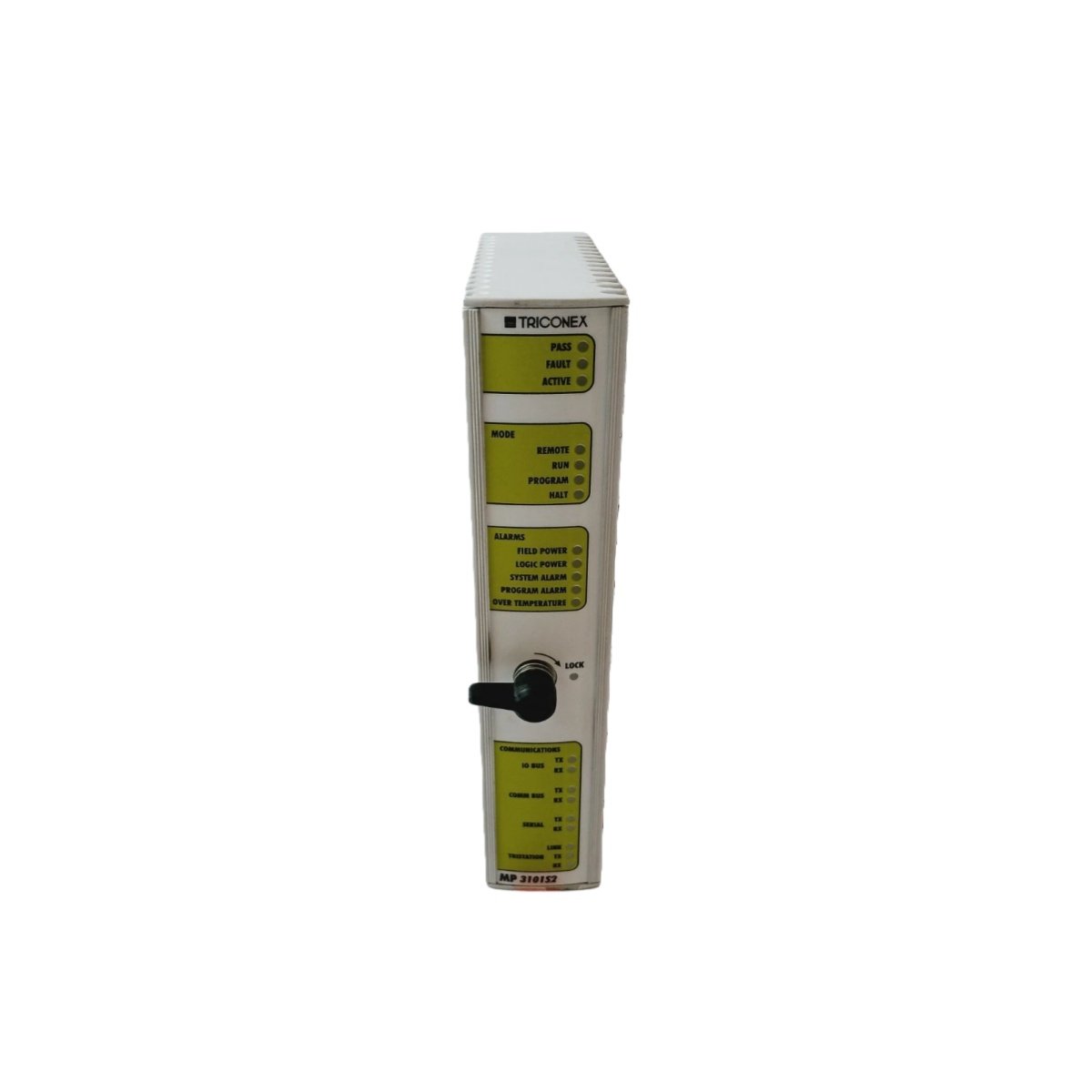
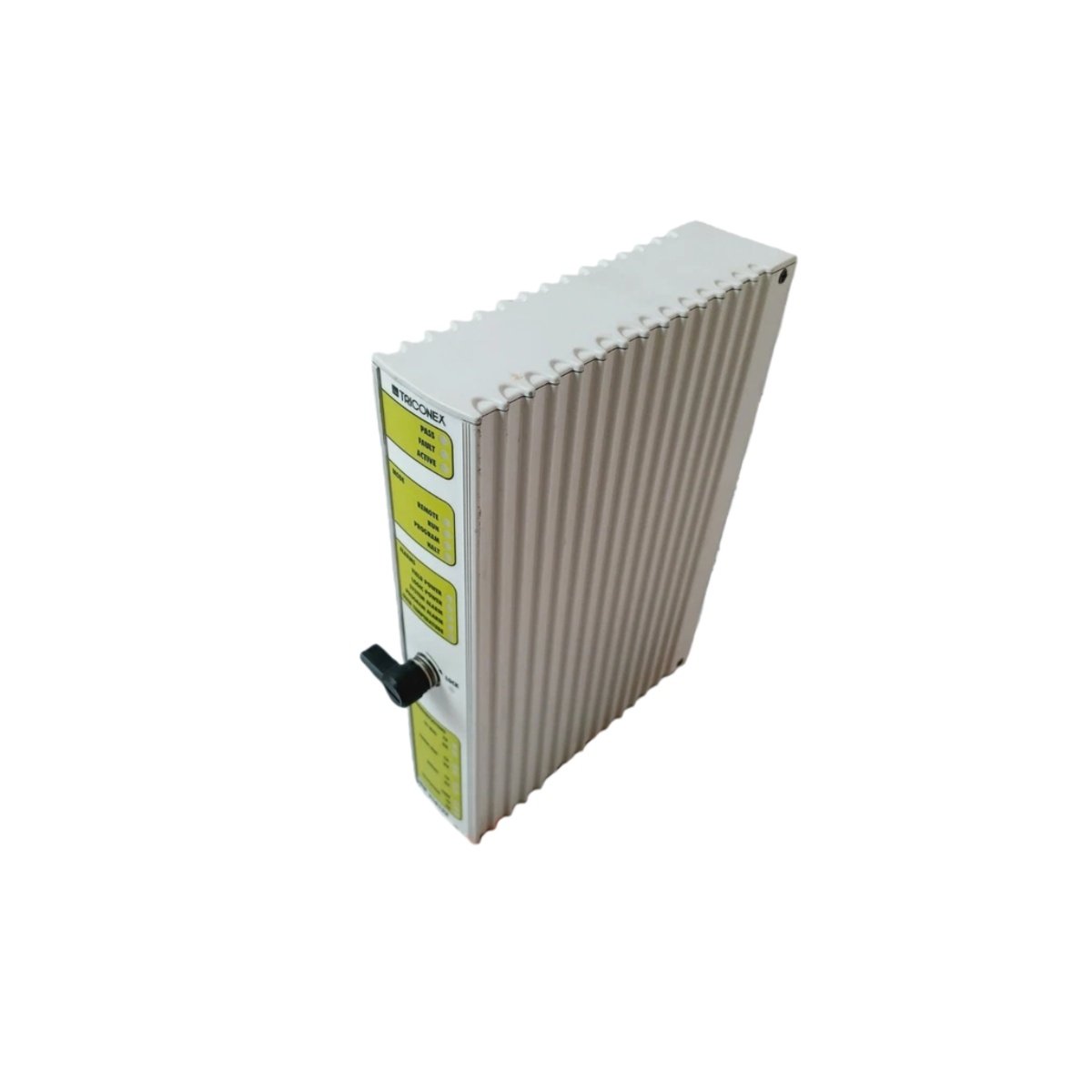
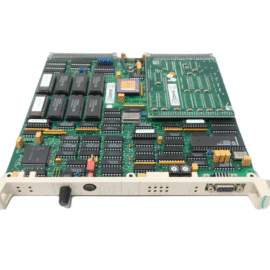
The Triconex 3101S2 serves as the central computing engine for safety instrumented systems. This processor executes critical control logic with exceptional reliability and speed. It operates within the Triconex Triple Modular Redundant (TMR) architecture. You will achieve SIL 3-rated performance for emergency shutdown and fire/gas protection. This processor ensures continuous operation even with a single module fault.
Physical Dimensions and Mounting Profile
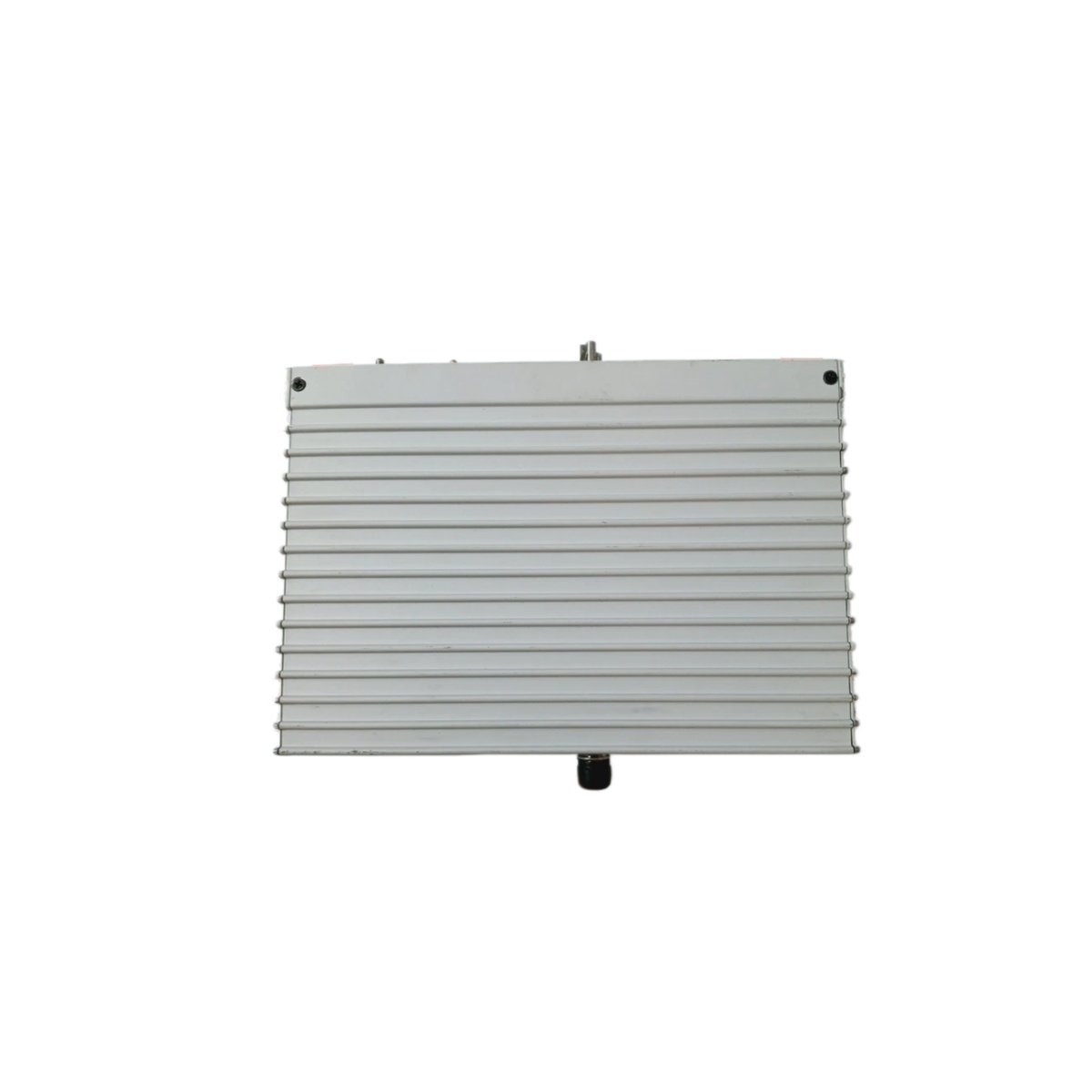
This processor module features a rugged chassis for standard rack installation. Its physical dimensions are 310 mm in height, 95 mm in width, and 330 mm in depth. It weighs approximately 5.4 kilograms for stable mounting. The operating temperature ranges from 0°C to +60°C. This range accommodates typical control room and shelter environments.
Processing Architecture and Redundancy Scheme
The Triconex 3101S2 houses three independent microprocessor sections on one module. Each section runs the same application program concurrently and independently. The processor performs 2-out-of-3 voting on all input data. It then executes outputs only when two or more sections agree. This architecture eliminates single-point failure risks completely. The module includes high-speed inter-processor communication links for synchronization.
Memory Capacity and Data Retention
This processor provides substantial memory for application programs and system data. It includes 2 MB of battery-backed SRAM for program storage. An additional 4 MB of flash memory holds firmware and configuration parameters. The Triconex 3101S2 maintains this data during power interruptions. A replaceable lithium battery supports the SRAM for extended periods.
Communication Interfaces and System Integration
The module features multiple communication ports for system connectivity. These include Ethernet ports for host computer communications. Serial ports accommodate Modbus and other industrial protocols. The Triconex 3101S2 also supports proprietary Triconex communication networks. These networks connect to remote I/O chassis and operator workstations.
Diagnostic Capabilities and Self-Monitoring
This processor runs comprehensive self-diagnostics on every scan cycle. It checks CPU registers, memory integrity, and communication paths continuously. The module automatically logs faults and events into onboard history storage. The Triconex 3101S2 also monitors its own internal temperature and voltage. It alerts operators before these parameters exceed safe limits.
Component Count and Build Quality
The device contains approximately 350 discrete electronic components. Engineers select high-reliability components with proven field performance. The PCB features multi-layer construction with ground planes for noise immunity. This design ensures dependable operation in demanding industrial environments.
Technical Specifications Summary
| Parameter | Specification |
|---|---|
| Dimensions (H × W × D) | 310 mm × 95 mm × 330 mm |
| Weight | Approx. 5.4 kg |
| Operating Temp | 0°C to +60°C |
| Processors | 3 independent MPU sections |
| Voting Scheme | 2-out-of-3 (TMR) |
| SRAM Memory | 2 MB (battery-backed) |
| Flash Memory | 4 MB |
| Ethernet Ports | Yes |
| Serial Ports | Yes (Modbus support) |
| Safety Rating | SIL 3 certified |
Performance and Scan Execution
The Triconex 3101S2 executes application logic with deterministic scan times. Typical scan rates range from 15 to 50 milliseconds depending on program size. The processor prioritizes safety-related tasks with guaranteed execution windows. It also performs background self-testing without affecting real-time performance. You rely on this processor for mission-critical safety applications worldwide.
Details
| Weight | 5.4 kg |
|---|---|
| Dimensions | 310 × 95 × 330 mm |
Reviews
There are no reviews yet.