
Product Overview
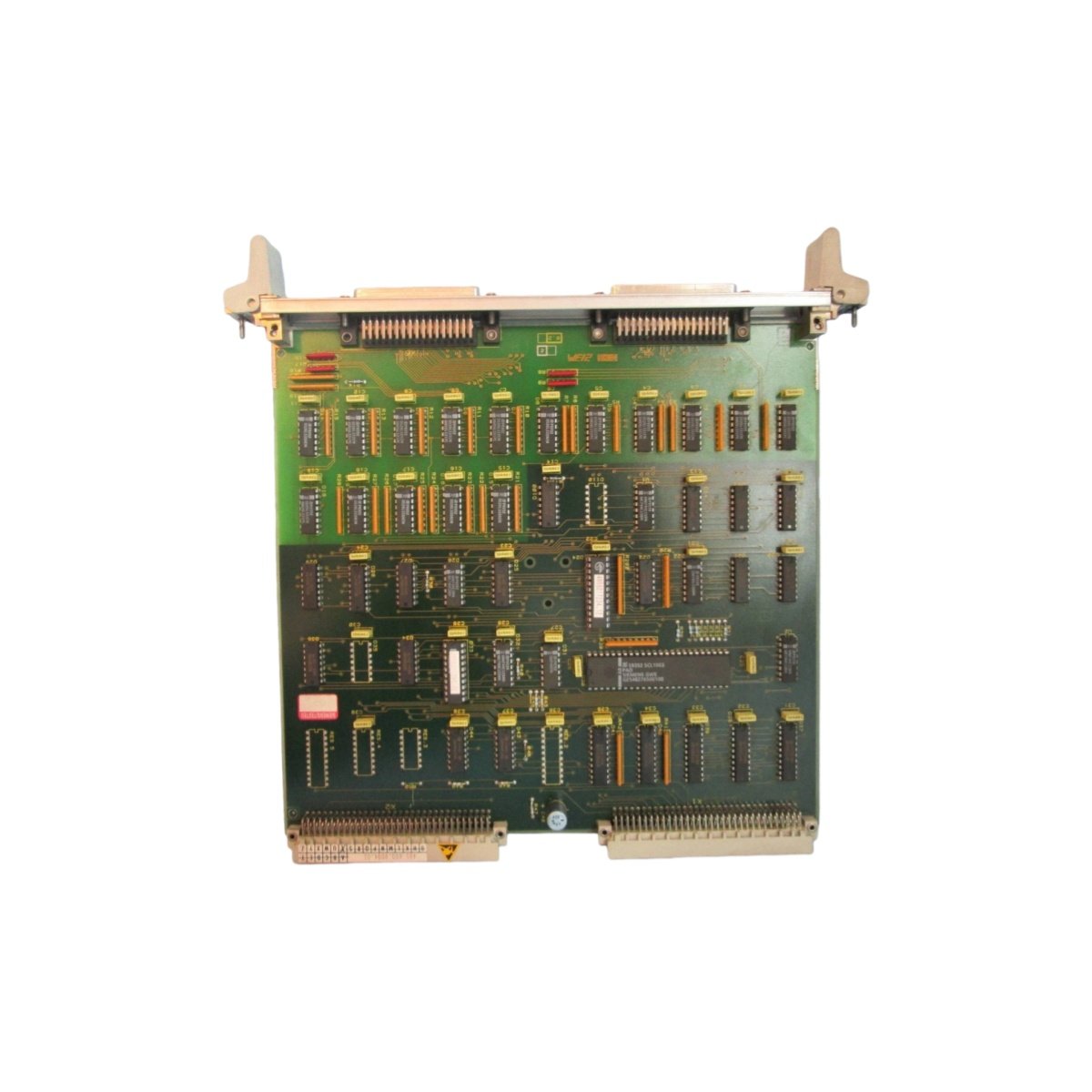
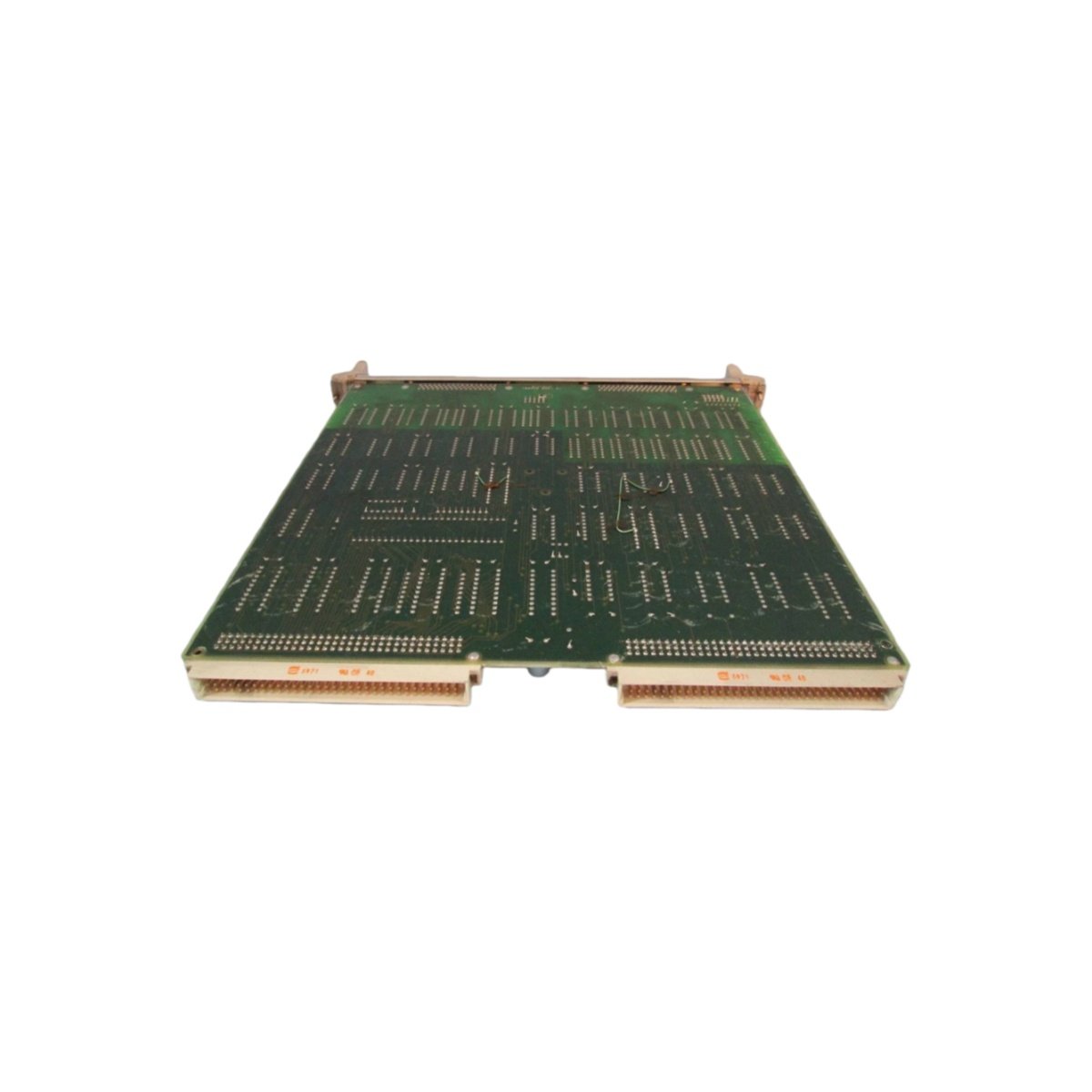
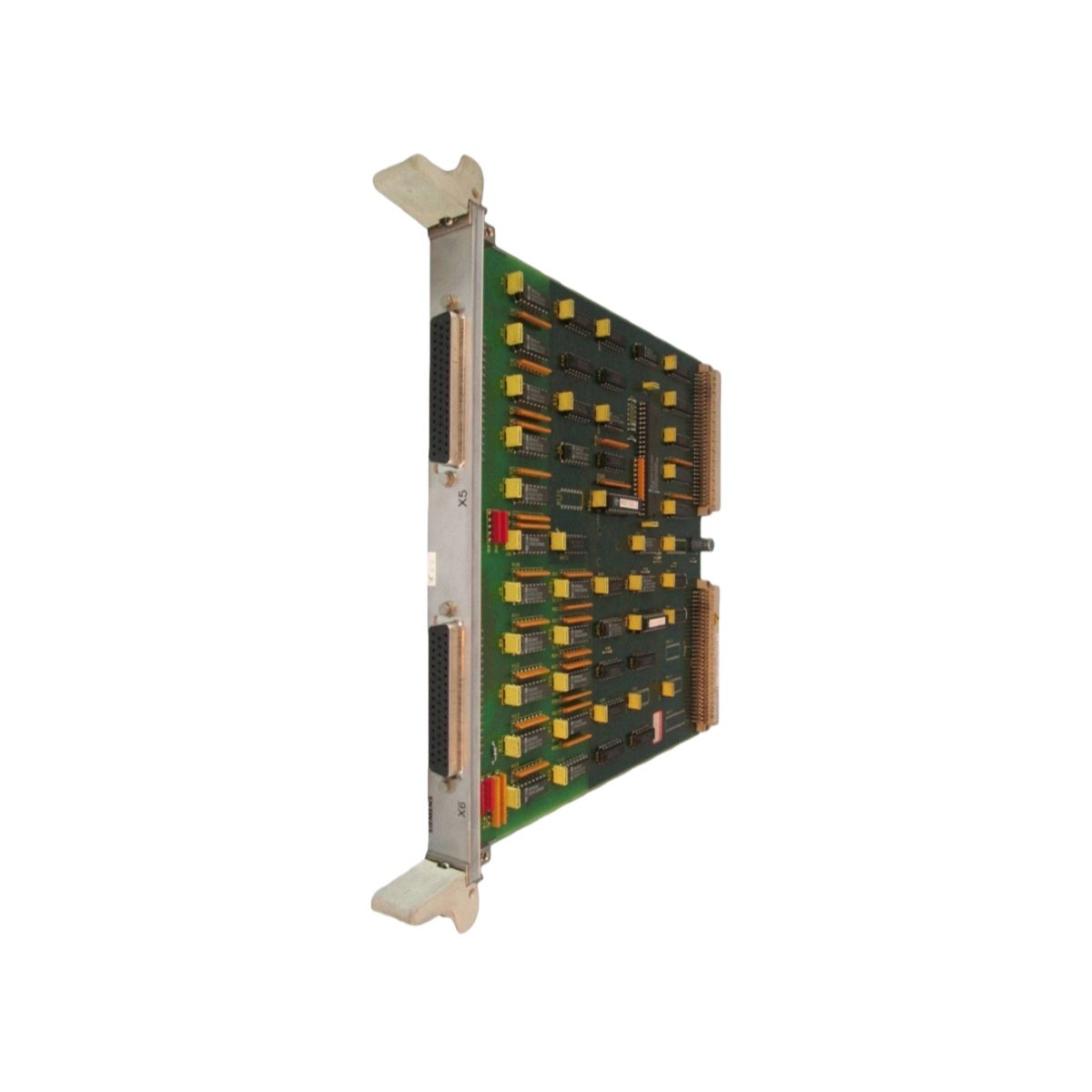
This communications module handles high-speed data exchange between SIMATIC controllers and peripheral devices. Modern automation networks demand reliable protocols and robust physical layer performance. The 6DD1660-0AE0 supports PROFIBUS DP and MPI protocols for versatile system integration. Its dual-port design allows daisy-chaining multiple devices without additional hardware. System integrators can position this module anywhere along the network segment. The unit’s diagnostic capabilities quickly pinpoint cabling faults and node failures.
Technical Specifications
| Parameter | Specification |
|---|---|
| Supported Protocols | PROFIBUS DP (master/slave), MPI, FDL |
| Communication Ports | 2 isolated RS-485 ports |
| Connector Type | 9-pin D-sub (female, standard pinout) |
| Data Transfer Rate | 9.6 kbps to 12 Mbps (auto-detect) |
| Maximum Cable Length | 1200 m (at 93.75 kbps), 100 m (at 12 Mbps) |
| Number of Nodes Supported | Up to 126 (with repeaters) |
| Bus Termination | Switch-selectable, built-in resistors |
| Isolation Voltage | 2500 VAC (ports to logic) |
| Diagnostic LEDs | Power, Bus Activity, Fault, Node Status |
| Address Setting | Rotary switches (0–99) |
| Supply Voltage | 24 VDC ±20% (from backplane) |
| Power Consumption | ≤4.5 W |
| Operating Temperature | 0°C to +60°C |
| Storage Temperature | –40°C to +85°C |
| Dimensions (W x H x D) | 45 mm x 125 mm x 125 mm |
| Weight | 0.38 kg |
| Mounting Type | DIN-rail (35 mm) |
| Terminal Type | Spring-cage or screw-type (option dependent) |
Protocol Support and Data Exchange
The 6DD1660-0AE0 handles PROFIBUS DP cyclic and acyclic data exchange efficiently. MPI communication enables programming access and peer-to-peer messaging between controllers. FDL protocol supports older systems requiring layer 2 data link services. The module automatically detects the connected protocol and configures its internal buffers accordingly. Its dual-port architecture allows simultaneous communication with two separate networks.
Physical Layer and Bus Termination
Two isolated RS-485 ports provide secure connections to network segments or individual nodes. Integrated switch-selectable termination resistors eliminate the need for external components. The module drives signals over cable lengths up to 1200 meters at lower baud rates. Its differential transceivers reject common-mode noise from industrial environments. Autobaud detection locks onto network speed within one millisecond of power-up.
Diagnostics and Troubleshooting Features
LED indicators display bus activity, node status, and fault conditions at a glance. The module detects and reports short circuits, open circuits, and cable reflections. Diagnostic telegrams inform the host controller of network health and error counts. The unit stores event logs for offline analysis of intermittent faults. Users can perform loop-back tests to verify port functionality during commissioning.
Power and Energy Management
The module draws a maximum of 4.5 watts from the 24-volt backplane supply. Internal capacitors store 220 µF for brief hold-up during momentary power interruptions. Low current consumption reduces thermal load inside control cabinets. Reverse polarity and overvoltage protection safeguard the unit from supply faults. The module automatically restarts after a power failure without manual intervention.
Installation and Network Integration
The 45-millimeter wide housing fits standard SIMATIC S7-300 DIN-rail installations. Spring-cage or screw-type terminals accommodate wire sizes from 0.2 mm² to 2.5 mm². Weighing 380 grams, the module places minimal load on mounting rails. Front-panel connectors and switches remain accessible after installation. Clear labeling identifies port assignments and configuration controls.
Details
| Weight | 0.38 kg |
|---|---|
| Dimensions | 45 × 125 × 125 mm |
Reviews
There are no reviews yet.