
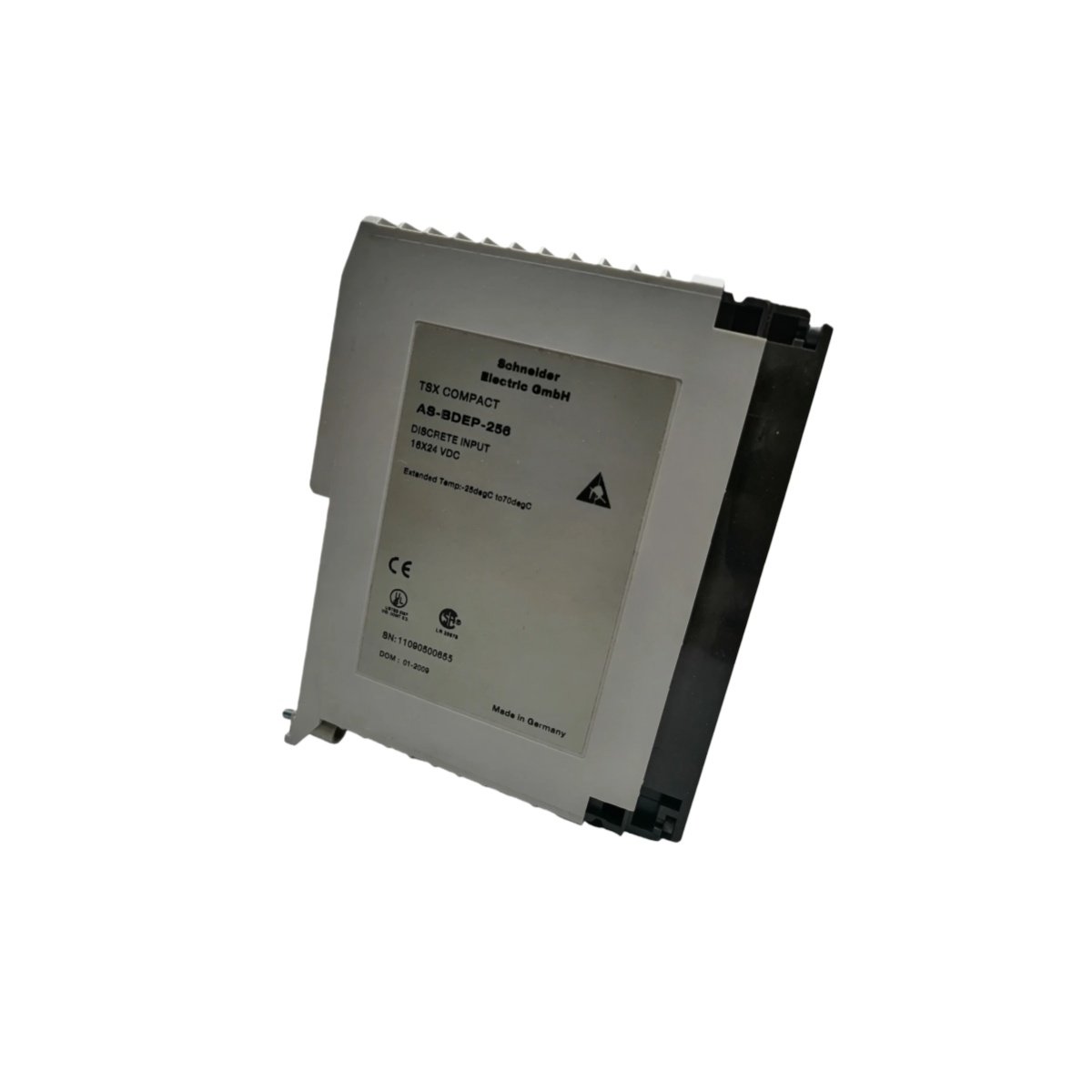
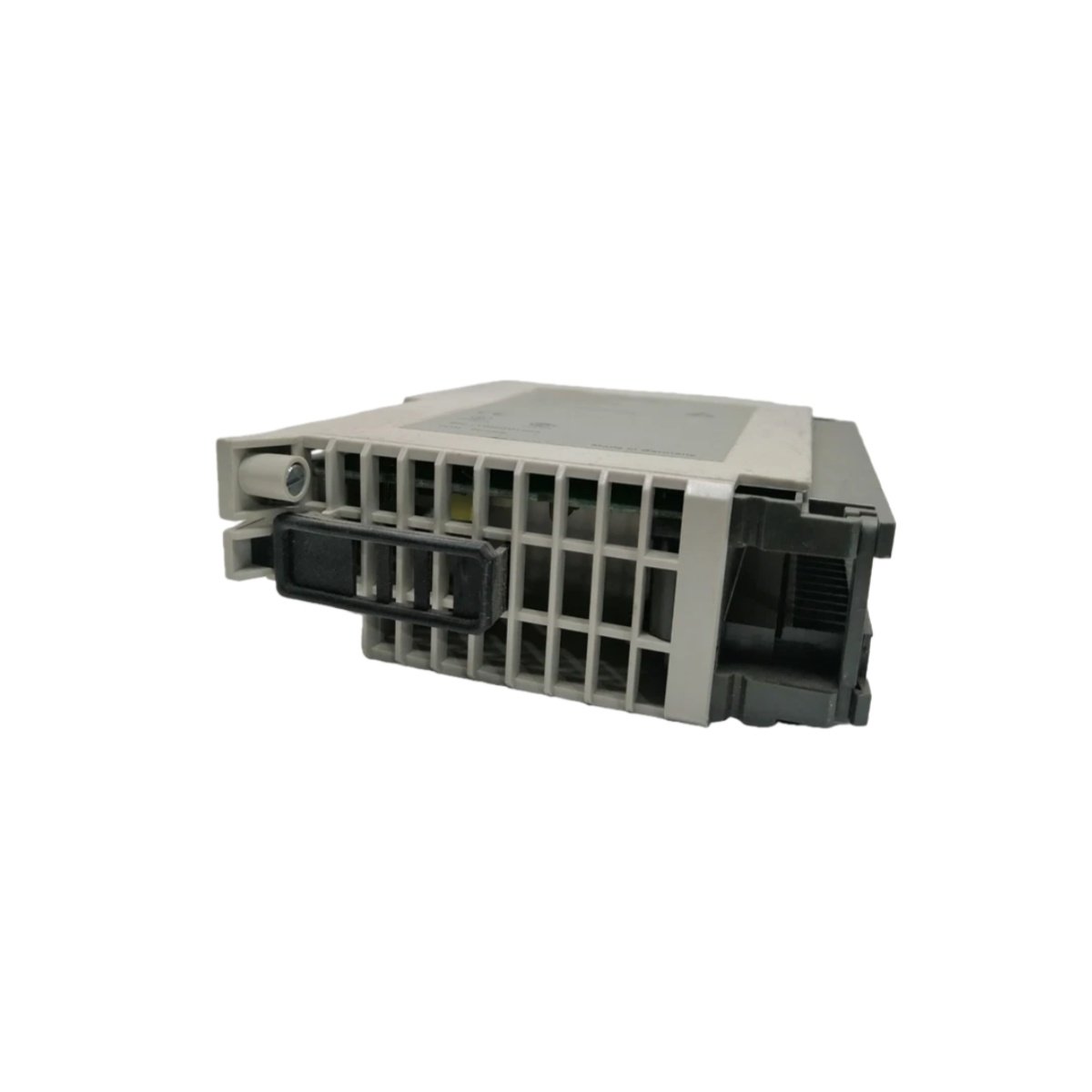
Technical Overview and Form Factor
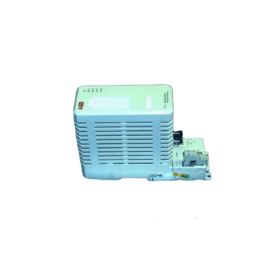
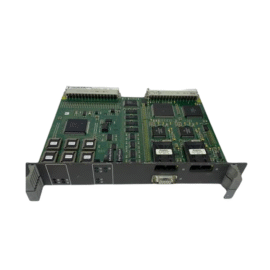
The ASBDNP255 I/O communication module serves as a high-speed interface between field devices and control processors. This unit measures 120 millimeters in height, 70 millimeters in width, and 90 millimeters in depth. The module weighs approximately 0.52 kilograms for straightforward rack installation. Its compact housing contains all necessary circuitry for distributed I/O management.
Connectivity and Data Exchange
This module provides one dedicated RS-485 serial port supporting Modbus protocol at baud rates up to 115.2 kbps. The ASBDNP255 also includes a secondary diagnostic port for firmware updates and troubleshooting. It handles up to 256 discrete I/O points or 64 analog values per scan cycle. The module buffers incoming data using 4 kilobytes of onboard SRAM for seamless processing. It manages communication with up to 32 slave devices on a single network segment.
Processing and Memory Resources
The module integrates an 8-bit microcontroller running at 20 MHz for efficient data handling. It stores configuration parameters and device mapping tables in 8 kilobytes of flash memory. This non-volatile storage retains settings even after power loss or system resets. The module processes I/O scanning logic with a typical cycle time of 2 milliseconds. It supports both polled and change-of-state reporting modes for flexible network operation.
Installation and Physical Characteristics
You can mount the module directly onto any standard DIN rail using the integrated spring-clip mechanism. Its front face includes LED status indicators for power, communication activity, and error conditions. The unit requires a single 20-pin connector for all field wiring terminations. This connector supports both shielded and unshielded cables for various installation scenarios. The module’s robust enclosure meets IP20 protection requirements for indoor industrial environments.
Power Supply and Environmental Tolerance
The ASBDNP255 draws a maximum current of 180 milliamperes from a 24-volt DC external supply. It operates reliably within ambient temperatures ranging from 0 to 55 degrees Celsius. The module withstands relative humidity between 10% and 90% without condensation forming. Its circuitry includes transient voltage suppression for the power input terminals. This protection guards the module against unexpected voltage spikes from the supply source.
Configuration Flexibility
You can assign each I/O point individually using the manufacturer’s configuration software suite. The module supports multiple data formats including binary, BCD, and scaled integer representations. It automatically negotiates network parameters upon initial power-up to match connected devices. The module also allows dynamic remapping of I/O addresses without requiring hardware changes. This flexibility simplifies system modifications during commissioning or maintenance periods.
| Parameter | Specification |
|---|---|
| Height | 120 mm |
| Width | 70 mm |
| Depth | 90 mm |
| Weight | 0.52 kg |
| Serial Ports | 1 x RS-485 (Modbus) + 1 diagnostic |
| Max Baud Rate | 115.2 kbps |
| SRAM Buffer | 4 KB |
| Flash Memory | 8 KB |
| Supported I/O Points | 256 discrete or 64 analog |
| Network Nodes | Up to 32 slaves |
| Cycle Time | 2 ms (typical) |
| Power Supply | 180 mA @ 24V DC |
| Temperature Range | 0 to 55 °C |
| Humidity | 10% to 90% RH |
| Protection Rating | IP20 |
Details
| Weight | 0.52 kg |
|---|---|
| Dimensions | 120 × 70 × 90 mm |
Reviews
There are no reviews yet.