
Remote I/O Communication for Micro-SX Systems
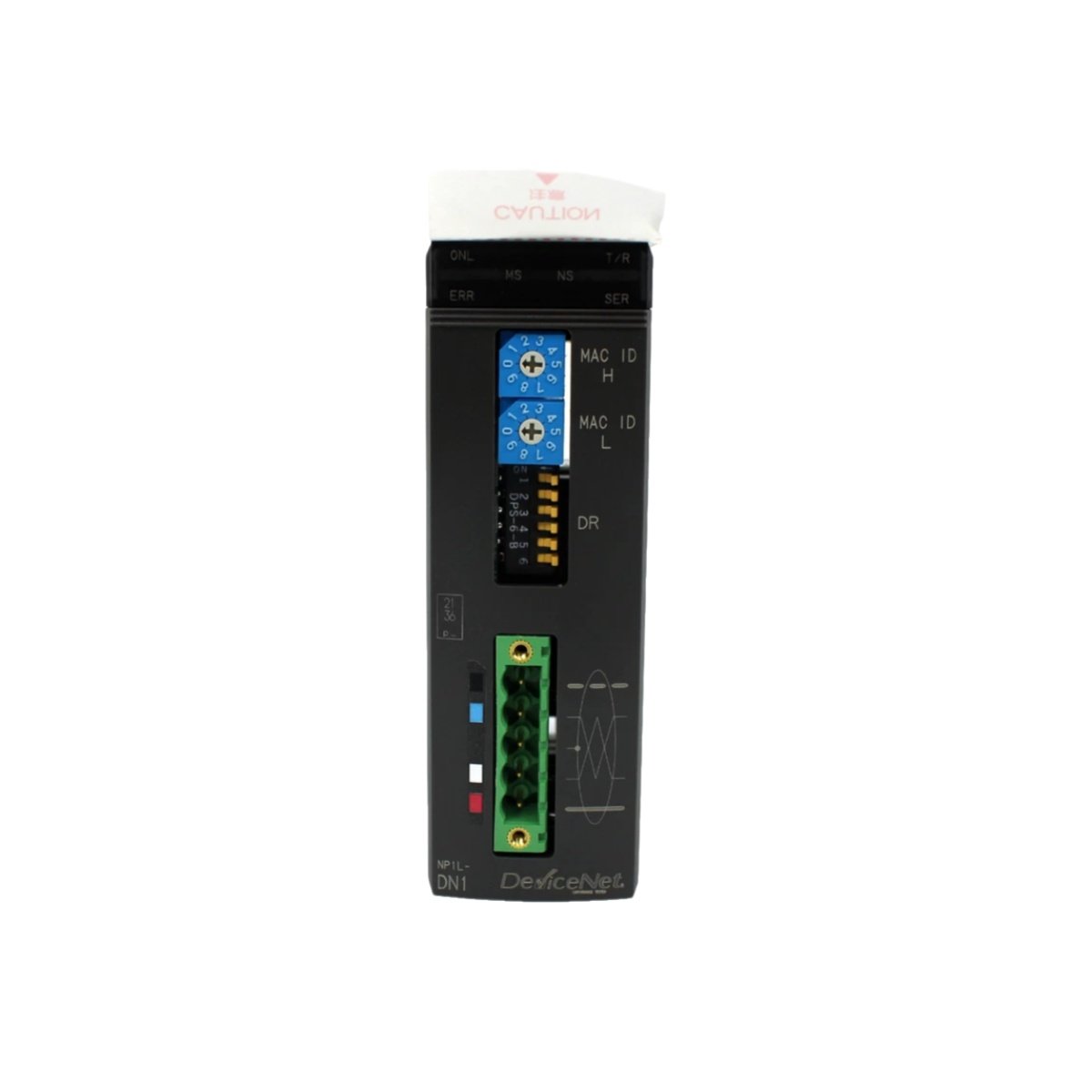
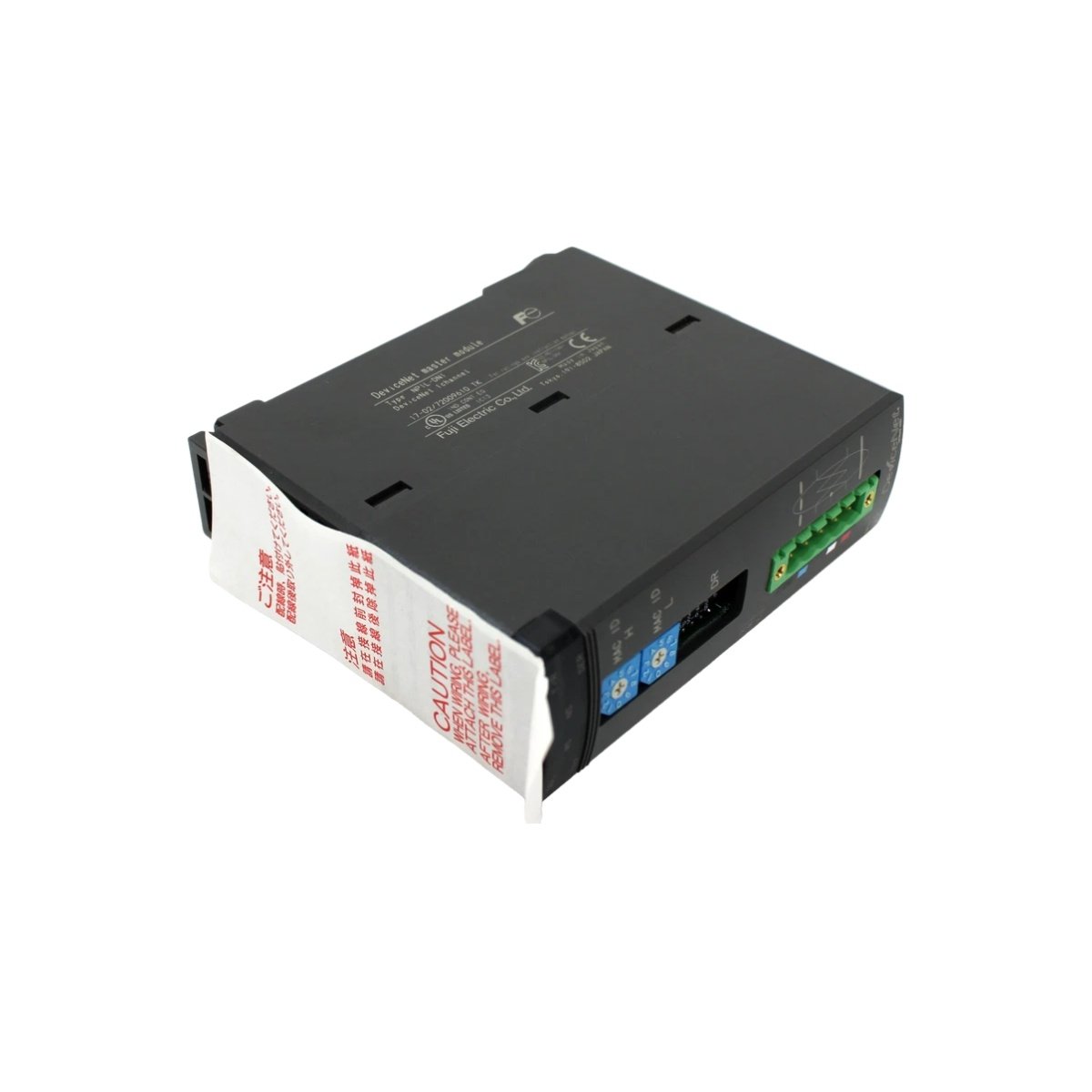
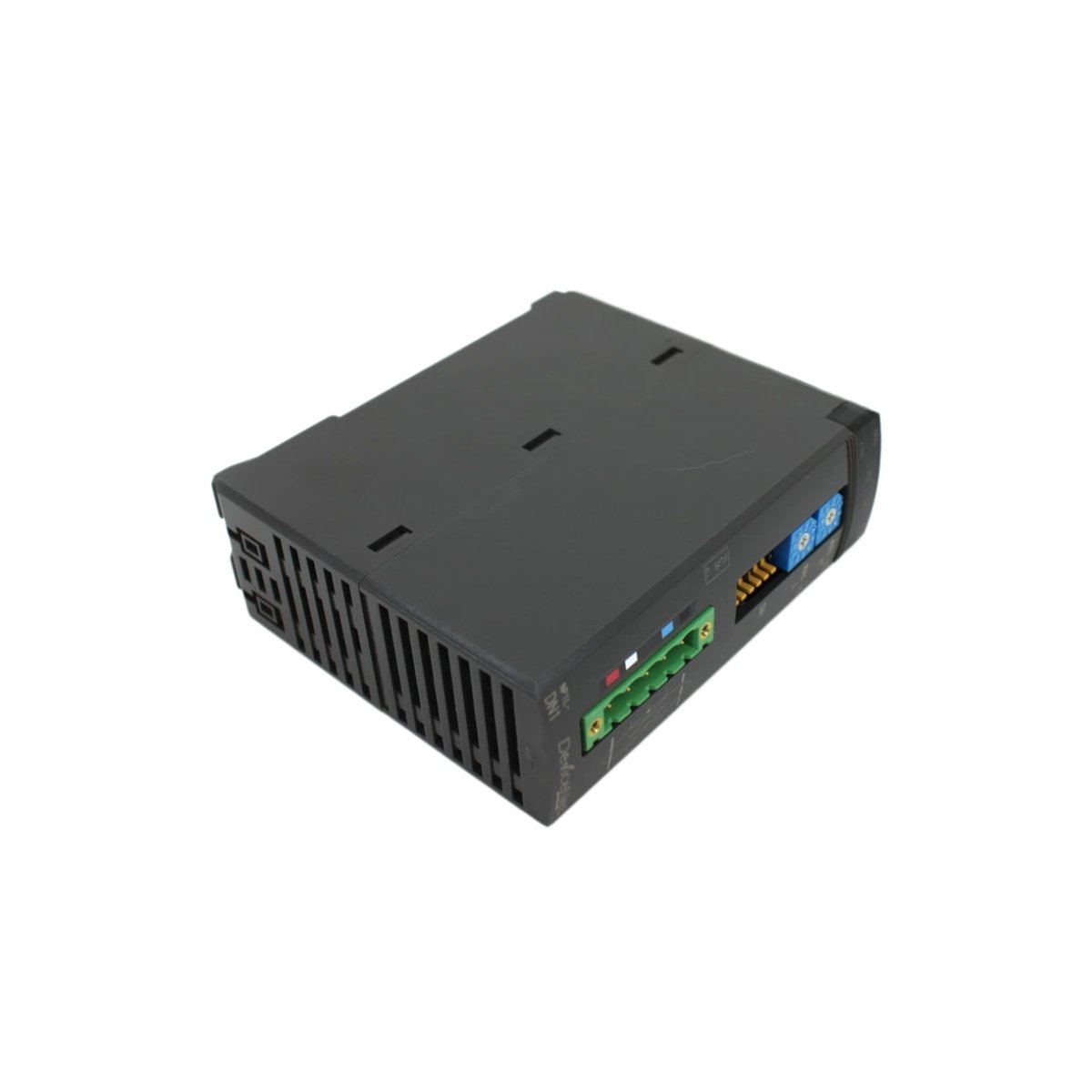
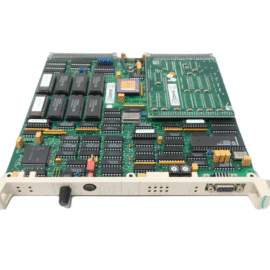
The FUJI NP1L-RP1 communication module enables remote I/O connectivity for Micro-SX programmable controllers. This module handles data exchange between the central CPU and distributed I/O stations. Extended automation systems rely on this unit for synchronized and reliable remote communication.
Communication Specifications and Protocol Support
This communication module features a dedicated RS-485 port for remote I/O networking with high-speed transmission. The port supports data rates up to 187.5 kbps, ensuring fast cycle times for distributed I/O. An additional RS-232C port provides local programming and diagnostics access. Furthermore, the module supports both master and slave operation modes for flexible system architecture.
| Parameter | Specification |
|---|---|
| Brand | FUJI |
| Model | NP1L-RP1 |
| Communication Ports | 1 × RS-485, 1 × RS-232C |
| Transmission Rate | Up to 187.5 kbps |
| Remote I/O Stations | Up to 16 |
| Protocol | FUJI remote I/O (proprietary) |
| Buffer RAM | 4 KB |
| Connector Types | 9-pin D-sub, terminal block |
| Dimensions (W x H x D) | 40 mm x 90 mm x 65 mm |
| Weight | 0.18 kg |
| Power Consumption | 5 V DC at 190 mA |
| Compatible Systems | FUJI Micro-SX series |
| Operating Temperature | 0°C to 55°C |
Remote I/O Networking and Topology
The FUJI NP1L-RP1 supports both daisy-chain and star topologies for distributed I/O configurations. Users can connect up to 16 remote stations per network segment. The module automatically manages the scan cycle and data consistency across all stations. Additionally, the network includes automatic station discovery for simplified system commissioning.
Data Buffering and Exchange
This communication module stores remote I/O data in a 4 KB buffer for efficient data exchange. The CPU accesses this buffer through the backplane bus without extra processing overhead. Cyclic data transfer ensures real-time updates of all remote I/O states. The module also supports acyclic data services for parameterization and diagnostics.
Configuration and Addressing
Users can set the station address using a rotary switch on the module front panel. The module automatically detects the network baud rate during the startup sequence. A built-in termination resistor activates via a DIP switch when the module occupies the last position. The module also includes configuration switches for selecting master or slave operation.
Diagnostic Features and Status Indication
Front-panel LEDs indicate power, network activity, and communication error conditions. The module logs communication errors and station failures in a diagnostic buffer. A built-in self-test routine verifies hardware integrity during system startup. Furthermore, the module provides a watchdog timer that monitors the remote I/O network health.
Installation and System Integration
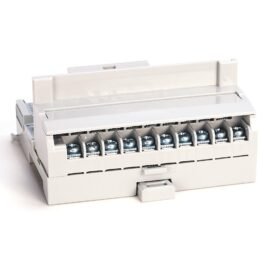
You can install this communication module in any slot of the Micro-SX central or expansion rack. Connect the remote I/O cable to the RS-485 terminal block using shielded twisted-pair wiring. Terminate both ends of the bus segment with 120-ohm resistors for optimal performance. Always configure the station addresses before connecting to the network.
Details
| Weight | 0.7 kg |
|---|---|
| Dimensions | 2.5 × 20.3 × 15.2 mm |
Reviews
There are no reviews yet.