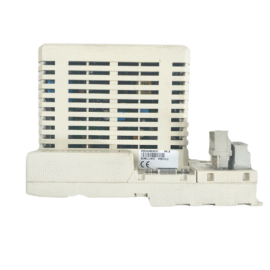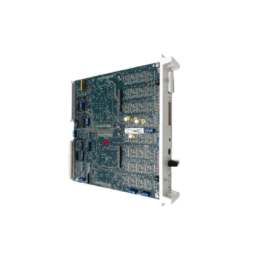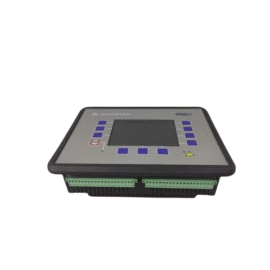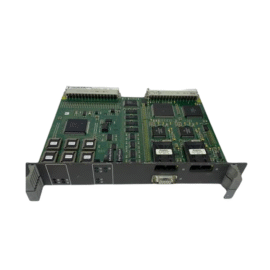
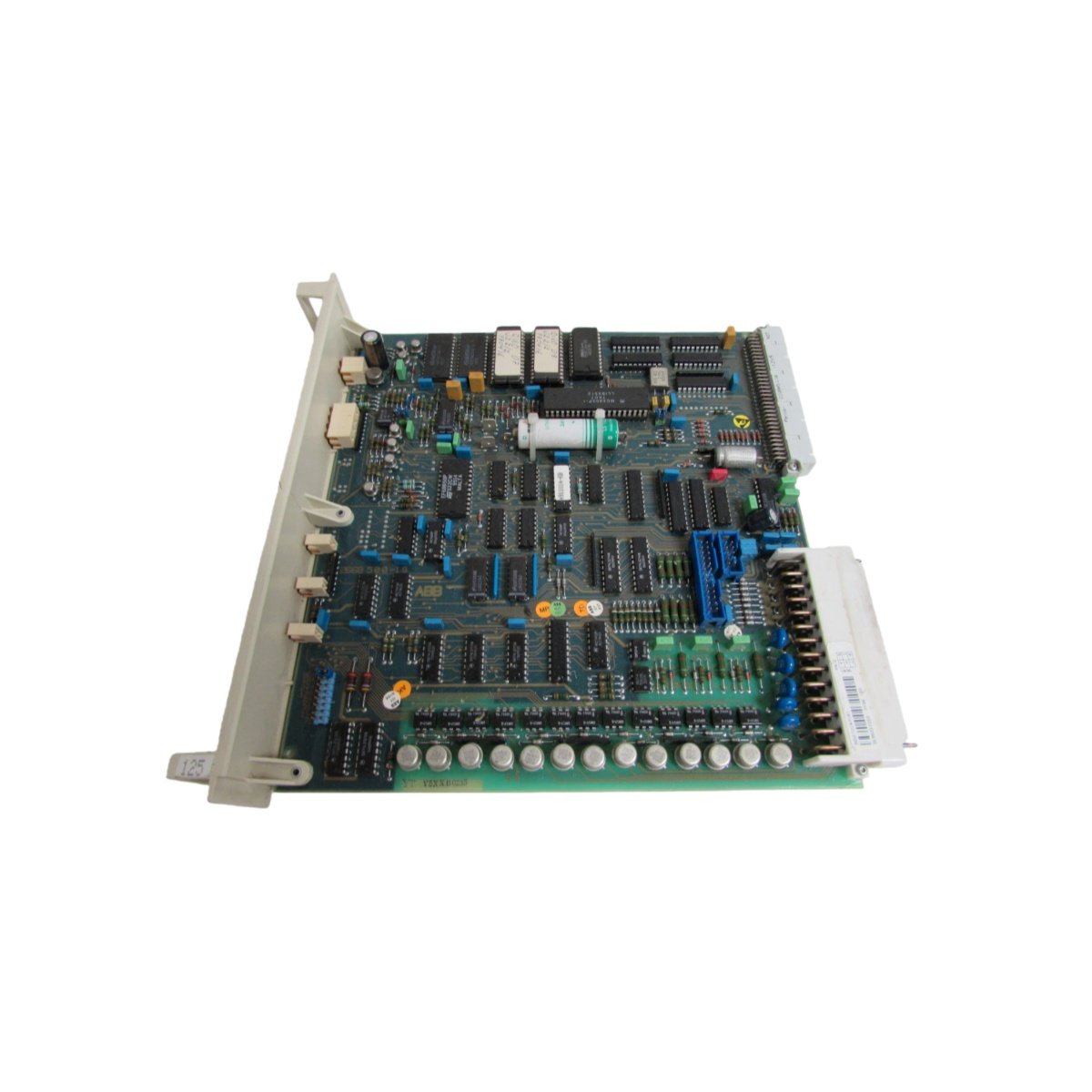
Processing Core and System Integration
This processor board serves as the central computing unit for ABB’s Advant series control systems. It executes control algorithms and processes I/O data for real-time process management. The board incorporates a 32-bit RISC processor with floating-point arithmetic capability. Furthermore, it features 8 MB of RAM and 4 MB of flash memory. This processing power supports complex control strategies and fast loop execution.
Technical Specifications
| Parameter | Specification |
|---|---|
| Brand | ABB |
| Model Number | PFBK165 3BSE000470R1 |
| Processor Type | 32-bit RISC with FPU |
| Clock Speed | 40 MHz |
| RAM Capacity | 8 MB (SDRAM) |
| Flash Memory | 4 MB (non-volatile) |
| EEPROM | 512 KB (configuration storage) |
| Communication Ports | 2 x RS-232, 1 x RS-485 |
| Ethernet Interface | 10BASE-T (optional) |
| I/O Bus Interface | 50-pin backplane connector |
| Scan Cycle Time | 10 ms typical |
| Execution Speed | 8 MIPS sustained |
| Current Draw | 350 mA from 5 VDC backplane |
| Power Dissipation | 6.0 W maximum |
| Operating Temperature | 0°C to +60°C |
| Storage Temperature | –40°C to +85°C |
| Humidity | 5% to 95% non-condensing |
| Dimensions (H x W x D) | 130 mm x 32 mm x 160 mm |
| Weight | 0.50 kg |
| Status Indicators | Run, Stop, Fault, Comm LEDs |
| Battery Backup | Lithium 3 V (for real-time clock) |
Processing Architecture and Performance
The PFBK165 3BSE000470R1 executes user-defined control logic with deterministic scan times. Its RISC architecture handles both integer and floating-point operations efficiently. The board supports multiple programming languages including ladder logic and function blocks. On-board diagnostics continuously monitor the processor’s health and performance. This robust design ensures reliable execution of critical control applications.
Memory Configuration and Data Storage
8 MB of SDRAM provides ample workspace for process data and control variables. The 4 MB flash memory retains application programs after power removal. A separate EEPROM stores system configuration parameters permanently. The board includes a real-time clock with battery backup for time-stamping events. Consequently, the processor maintains accurate time during power outages.
Communication Interfaces and Connectivity
Two RS-232 ports support serial communication with HMI panels and programming devices. An optional RS-485 interface enables Modbus connectivity to field instruments. The board also provides a 10BASE-T Ethernet port for network integration. These interfaces allow seamless connection to plant-wide information systems. Use shielded serial cables for reliable data transmission in noisy environments.
Backplane Interface and I/O Communication
A 50-pin connector links the processor board to the I/O backplane. This interface transfers I/O data at high speed between the processor and modules. The board supports both analog and digital I/O handling simultaneously. It scans all connected modules within the deterministic cycle time. This ensures synchronized data acquisition and control output generation.
Power Requirements and Energy Management
The processor board draws 350 mA from the 5 VDC system backplane supply. A 3 V lithium battery backs up the real-time clock and CMOS memory. This battery provides up to 5 years of backup under normal conditions. Total power dissipation reaches 6.0 W at maximum processing load. Ensure adequate ventilation around the board for thermal management.
Installation and Configuration Procedure
Insert the board into a designated slot in the Advant chassis. Push firmly until the ejector tabs lock securely in position. Connect any required communication cables after the installation. Apply power and verify the status LEDs indicate normal operation. Configure the processor using the engineering workstation software.
Environmental Durability and Construction Quality
The PCB features conformal coating for moisture and dust protection. All connectors use gold-plated contacts for reliable signal transmission. The board undergoes extensive factory testing before shipment. This construction ensures reliable operation in demanding industrial environments. The unit meets all relevant safety and EMC standards.
Diagnostics and Maintenance Practices
Front-panel LEDs display run, stop, fault, and communication status clearly. The system software provides comprehensive diagnostic information for troubleshooting. Replace the lithium battery every 3–5 years to maintain clock accuracy. Keep backup copies of application programs stored externally. Perform periodic health checks during scheduled maintenance rounds.
Details
| Weight | 0.5 kg |
|---|---|
| Dimensions | 130 × 32 × 160 mm |