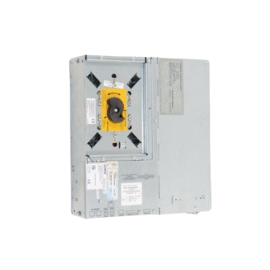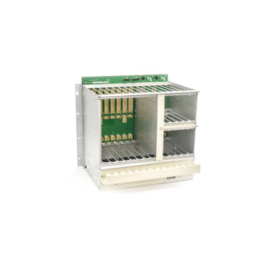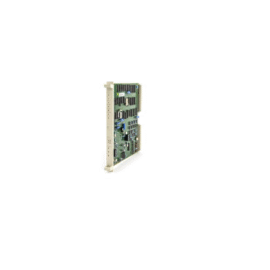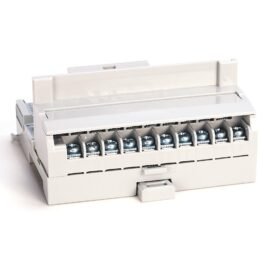
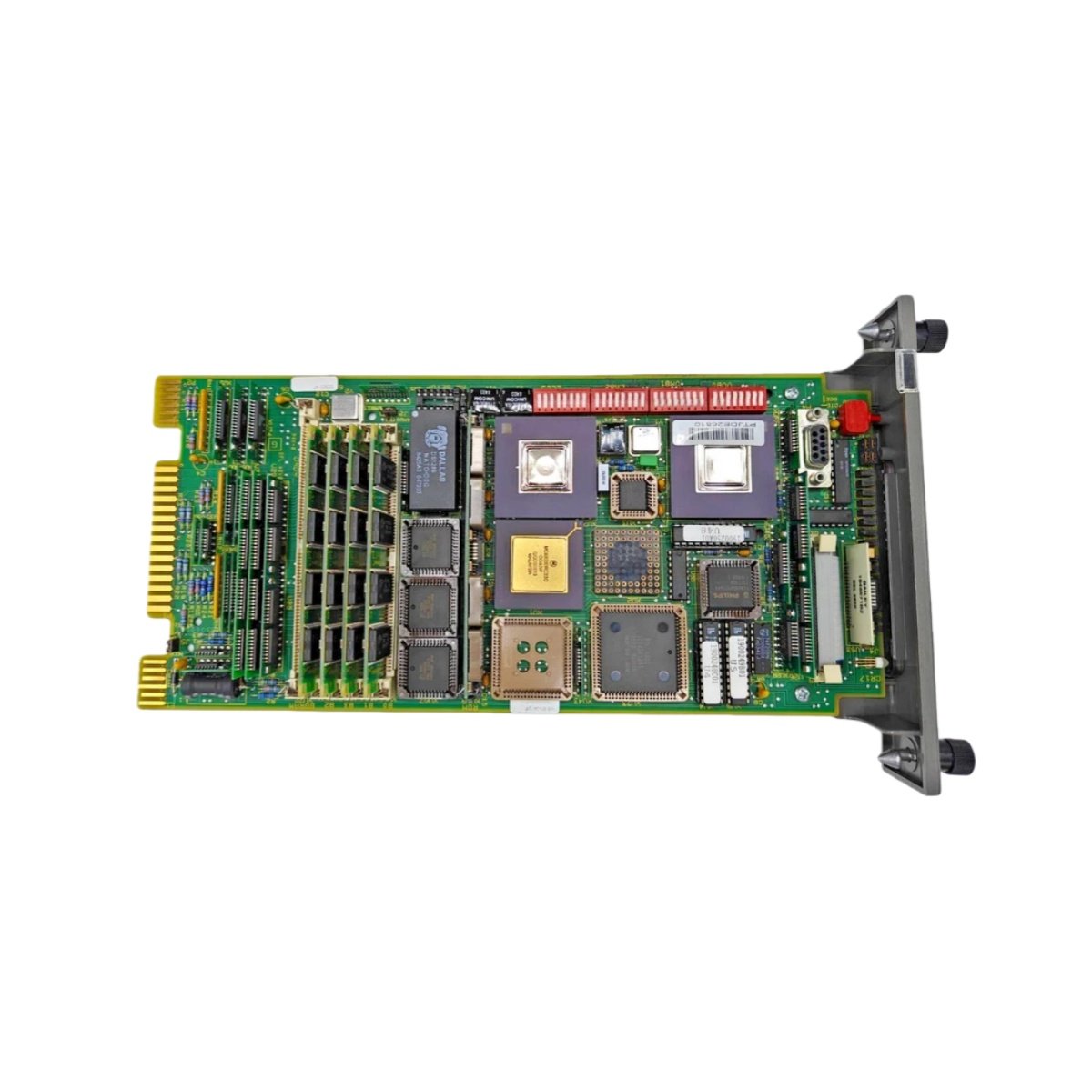
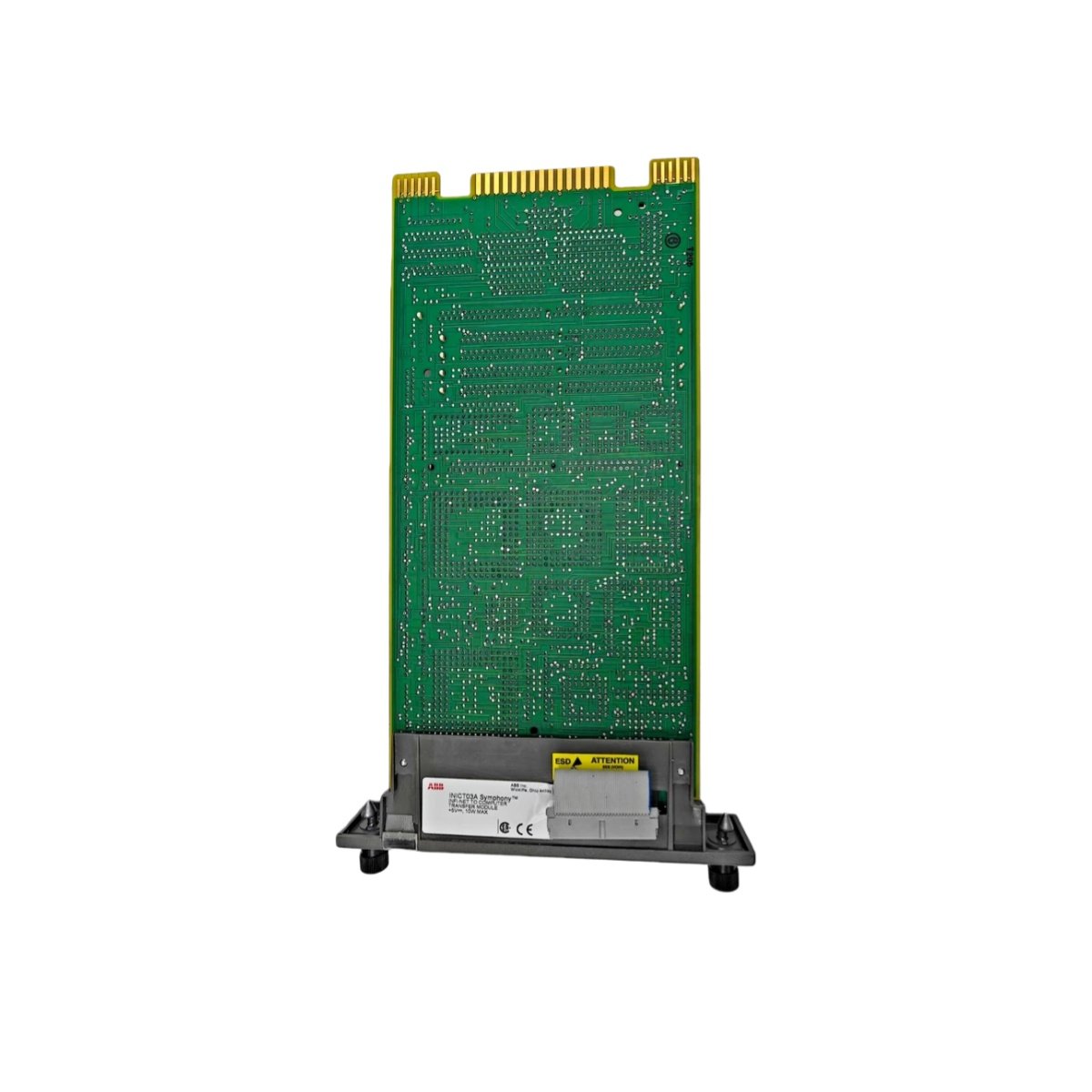
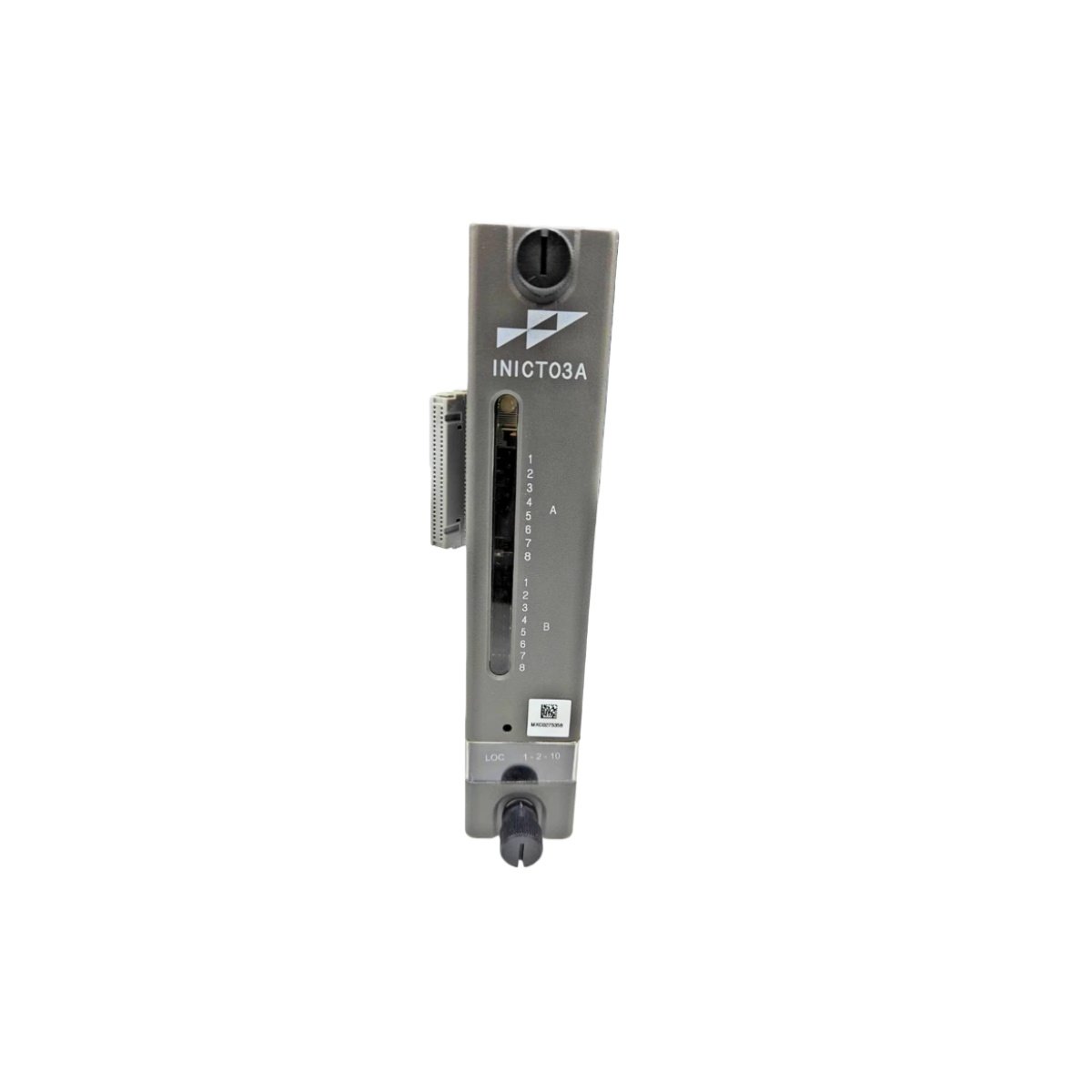
This gateway module bridges ABB Infi-Net networks to external computer systems seamlessly. The ABB INICT03A enables data exchange between distributed control systems and plant-wide information networks. It transfers process data, alarms, and events to higher-level management applications. Plant IT engineers choose this module for its reliable connectivity and protocol translation capabilities. Its dedicated design ensures secure and efficient data flow without burdening the main controller.
Technical Specifications Summary
| Parameter | Specification |
|---|---|
| Network Interface 1 | Infi-Net (ABB proprietary fieldbus), 2 Mbps |
| Network Interface 2 | Ethernet 10/100Base-T, TCP/IP protocol |
| Network Interface 3 | RS-232-C serial port, up to 115.2 kbps |
| Protocol Support | ABB Infi-Net, MODBUS TCP, MODBUS RTU, DNP 3.0 |
| Data Transfer Rate | 1000 data points per second to host systems |
| Buffer Memory | 4 MB for data queuing and event storage |
| Message Queue Capacity | 2000 pending messages per communication channel |
| Maximum Network Nodes | 32 Infi-Net devices per module |
| Dimensions (H x W x D) | 45 mm x 335 mm x 235 mm |
| Weight | 1.9 kg |
| Power Consumption | 28 W from +5 V DC backplane |
| Operating Temperature | 0 °C to +55 °C |
| Storage Temperature | -25 °C to +70 °C |
| Relative Humidity | 5% to 95% non-condensing |
Dual-Network Architecture and Protocol Translation
The module features a dual-network architecture for bridging control and information networks. One port connects directly to the Infi-Net fieldbus for real-time control data access. A second Ethernet port interfaces with plant-wide TCP/IP networks for enterprise connectivity. The ABB INICT03A translates between different protocols automatically and transparently. It converts Infi-Net data packets into MODBUS TCP, MODBUS RTU, or DNP 3.0 formats. This translation occurs without requiring changes to the existing control application. The module supports up to 32 Infi-Net devices on the fieldbus side simultaneously. This scalable design accommodates both small and large distributed control installations.
Data Transfer Performance and Buffer Management
For efficient data exchange, the module uses a sophisticated queuing and buffer system. It transfers up to 1000 data points per second to connected host systems. The onboard 4 MB memory buffer stores data during peak transmission periods. This buffer prevents data loss when network traffic becomes temporarily congested. Each communication channel maintains a 2000-message queue for pending transmissions. The module prioritizes critical alarm and event data over routine process variables. Users can configure data filtering and compression to optimize bandwidth usage. These features ensure reliable data delivery under all network conditions.
Serial Communication and Legacy System Support
The module includes an RS-232-C serial port for legacy system connectivity. This port supports baud rates up to 115.2 kbps for direct serial connections. It accommodates older computer systems that lack Ethernet networking capabilities. The serial interface also serves as a diagnostic port for local troubleshooting. Engineers can connect a laptop directly to perform configuration and monitoring tasks. The ABB INICT03A supports both ASCII and binary data formats for serial communication. This versatility simplifies integration with older SCADA and HMI systems. Consequently, users can modernize networks while preserving investment in legacy equipment.
Mechanical Construction and Power Characteristics
This gateway module occupies one standard 7-slot position in the ABB chassis. The unit measures 45 millimeters in height, 335 millimeters in width, and 235 millimeters in depth. Total weight reaches 1.9 kilograms with its metal enclosure and internal components. Power consumption averages 28 watts from the +5 V DC backplane supply. The module incorporates an efficient power regulator for stable operation. All network ports include surge protection for industrial electrical environments. The compact design saves valuable chassis space while delivering robust connectivity.
Environmental Endurance and Operational Reliability
Industrial control rooms present moderate but consistent environmental demands. The module operates reliably across a 0 °C to +55 °C temperature range. Storage temperatures from -25 °C to 70 °C protect the unit during transportation. Relative humidity tolerance extends from 5% to 95% without condensation. The module’s network interfaces include transformer isolation for electrical noise rejection. This isolation protects both the control system and connected computers from ground loops. Quality manufacturing ensures a long service life with minimal maintenance requirements. These characteristics make the module a dependable choice for critical data gateway applications.
Details
| Weight | 1.9 kg |
|---|---|
| Dimensions | 45 × 335 × 235 mm |