
In today’s industrial automation sector, companies face increasing pressure to deliver results with limited resources. Artificial intelligence (AI) and automation have emerged as crucial tools for scaling operations efficiently. They enable marketing teams to not only save time and reduce costs but also achieve measurable business impact.
AI and Automation: A Strategic Imperative in Industrial Marketing
For mid-market manufacturers and industrial automation suppliers, every marketing dollar counts. Unlike large enterprises, smaller teams often have no room for inefficiency. AI-powered automation is not a luxury—it is essential. By integrating data-driven strategies, industrial brands can optimize campaigns while minimizing operational overhead.
Giuseppe La Rocca, VP of Global Enterprise at StackAdapt, emphasizes, “Brands now demand accountability for their media investment. AI allows them to convert data into tangible results quickly and accurately.”
Data-Driven Automation: The Foundation of Success
Automation in marketing is only as effective as the underlying data. AI platforms analyze billions of signals—from audience engagement to creative performance—to make real-time adjustments. This integration ensures campaigns remain responsive, adaptable, and aligned with broader business goals.
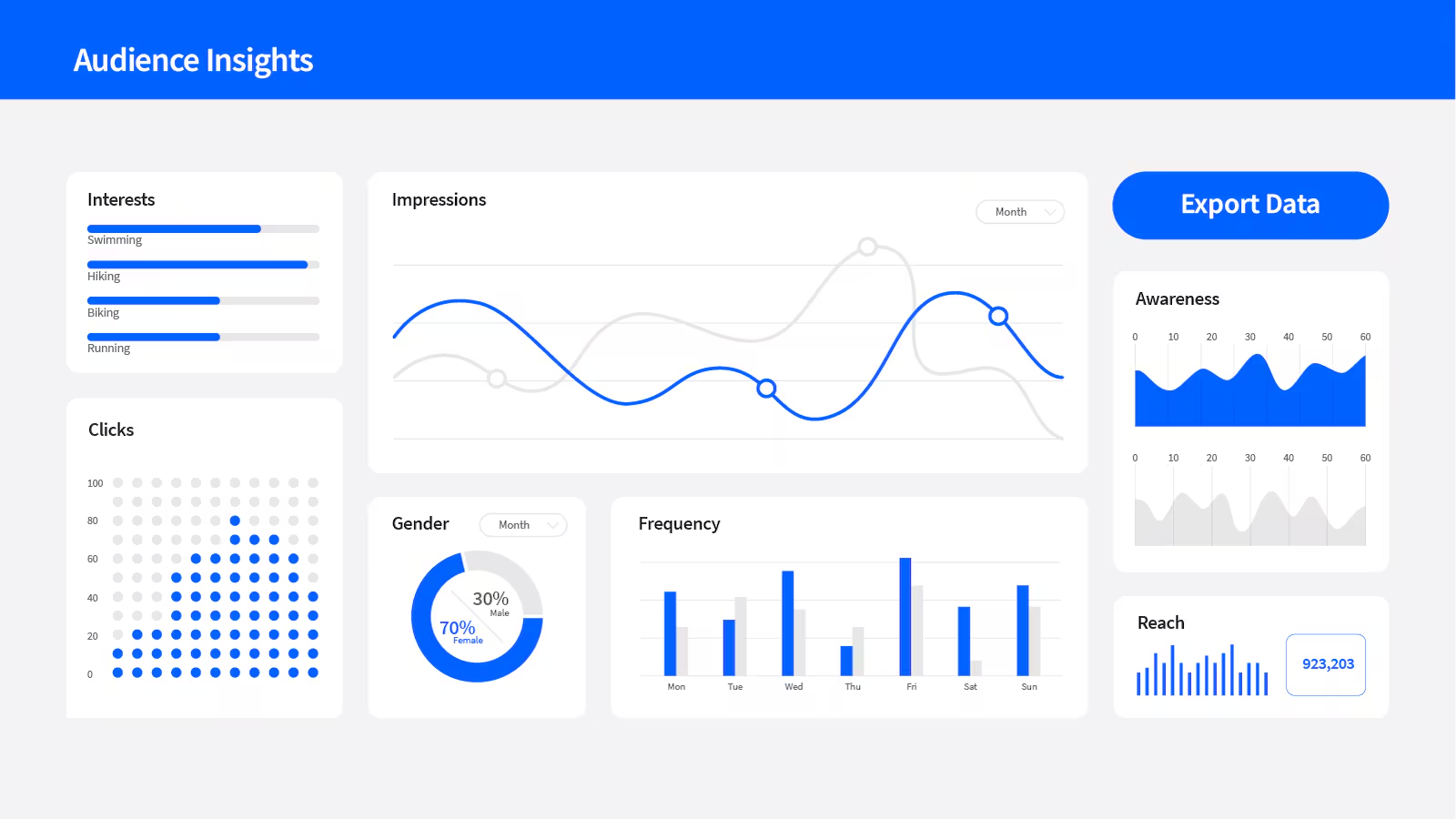
Moreover, industrial automation brands benefit from having all performance metrics consolidated in a single dashboard. This unified view enables quick decision-making and agile strategy adjustments without additional resources.
From Efficiency to Effectiveness: Measuring True Impact
While efficiency focuses on cost reduction and faster processes, effectiveness evaluates actual business outcomes such as customer acquisition, revenue growth, and retention. AI-driven marketing platforms bridge this gap by connecting advertising data with CRM, sales, and operational systems.
Krysha Nair, VP of Product Marketing at StackAdapt, notes, “Unifying ad tech and martech is essential. Industrial brands can now track results across multiple channels and tools, creating a clearer picture of business performance.”
Closing the Conversion Gap: Aligning Client and Agency Goals
A recurring challenge in industrial marketing is the misalignment between agencies and clients regarding success metrics. Agencies often measure efficiency—like cost per acquisition (CPA)—while clients prioritize business outcomes.
Recent studies indicate a significant 41-point gap between perceived agency performance and client satisfaction. By leveraging AI platforms, agencies can demonstrate tangible results, enhancing trust and long-term collaboration. As Nair observes, “Proving business impact strengthens partnerships and ensures mutual success.”
Author Insight: The Future of AI in Industrial Marketing
AI and automation are reshaping industrial marketing, especially for mid-market companies. Their power lies in combining data intelligence with operational agility. As industrial brands adopt unified AI-driven platforms, they gain not only efficiency but also strategic insight, enabling better decision-making and measurable business outcomes.
In addition, the next era of marketing will emphasize end-to-end integration of creative, data, and measurement systems. Companies that embrace this approach can optimize campaigns for both short-term efficiency and long-term effectiveness.
Practical Applications in Industrial Automation
- PLC and DCS Vendors: Use AI to target specific industry segments, improving lead quality and campaign ROI.
- Factory Automation Suppliers: Integrate sales and marketing data to optimize cross-channel campaigns and monitor outcomes.
- Industrial Service Providers: Automate client communications and measure conversion rates in real time for faster adjustments.
- B2B Marketing Teams: Employ unified AI dashboards to ensure all performance metrics align with corporate growth objectives.